
Maybe it’s perfectly fitting that one of the biggest hits by the Stones is one of the least romantic songs ever written: “You can’t always get what you want (But if you try sometimes…”) — you know the rest. One of my earliest memories is of insisting on a lacy pale yellow and white pair of socks, tantalizingly on display between the Juicy Juice and the V8, right at grocery cart height at Publix, of all places, in Palatka, and of my mother saying no by singing this song to me. Pragmatism was evidently no more appealing to me then than it is now, as i’m sure i responded with my best wailing pout of disapproval.
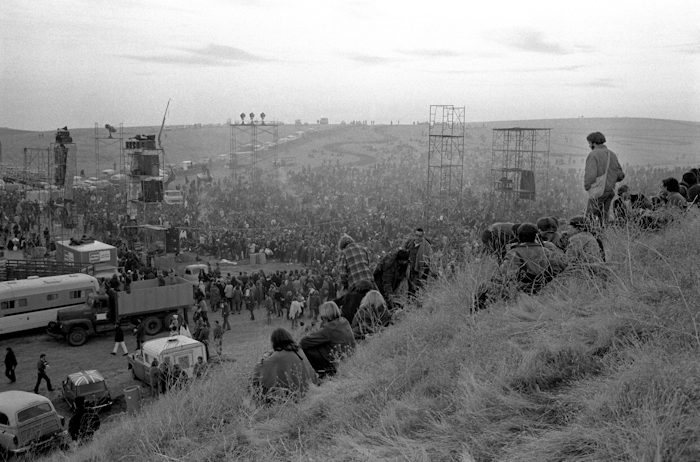
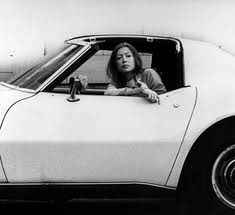
Let It Bleed (1969), released the day before the free concert at Altamont, begins with “Gimme Shelter” and closes with “You Can’t Always Get What You Want.” The album is adult, disappointed, junkie, sad, and the last to include Brian Jones. In my mind, it is akin to that other great abortive elegy to “the Sixties,” — Joan Didion’s Play it as it Lays (1970): “The bleeding began a few weeks later. ‘It’s nothing,’ the doctor on Wilshire said when she finally went. ‘Whoever did it did all right. It’s clean, no infection, count your blessings’.” Both beg the question of what is to be done when the romance is gone but the desire remains. Want and need — can we really know the difference? And what can we know from novels, from rock and roll? Maybe, in the long run, much more than the papers ever gave us.
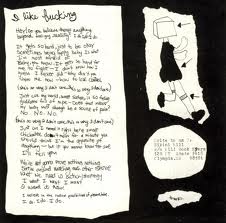
Here’s a slightly different question, what does it mean to call leftist politics romantic? Why is something like the Baader-Meinhof “gang”–the exact opposite of a Cinderella story, dismissed as “romantic”? “Romantic” can describe a supposedly trashy novel, impractical ideas, and/or feelings of preoccupation and affection — (“love”) — for another person. What do reckless idealism, selfishness, and love/desire have to do with each other? For a long time, i found myself sort of floundering in graduate school. These were the questions i was interested in, but i didn’t know how to combine them. Questions about desire were asked in one class, Marxism in another, until queer theory came along. On the first day of ‘Introduction to Queer Theory’, i was nervous as usual — anticipating the usual uncomfortable necessity of disciplinary introductions — but with the added worry that i would have to provide some inadequately shorthanded sexual identification (which of course never, ever happened). This complicated word –queer– gave me the room to keep pushing for a way to find a common space for my records and my books and my novels and my day job and my night job and my extremely conflicted (didn’t want, did desire) heterosexuality. “All your love’s in vain?” Check. The only way to make it okay seemed to be to take it apart–to make it not need to “count.” “I laid a divorcee in New York City?” Check. “Come on now, honey, don’t you wanna live with me?”; “And there will always be a space in my parking lot?”; “Feeling foolish, and that’s for sure?” Check check check. Let it Bleed, indeed. But, how is this political, you might ask?

If you are someone who has actually needed to say no– to any or all of the rules and expectations of heteronormativity (another supposed definition of romance) — you won’t ask, because you will already know that this is literally an extremely expensive refusal. Part of what makes leftist politics romantic is their sense that this is not the only way, that it is possible to say no–a sometimes extreme desire for a very pointed and thoughtful and, alas, necessary, no. Feminists, activists, waiters, academics, band dudes (i consider that a gender neutral category), teachers, nurses, strippers, librarians, clerks, and everyone else who lives by night–you are holding out for something. Do you remember what it is?


 noVacancy