i plan to stay

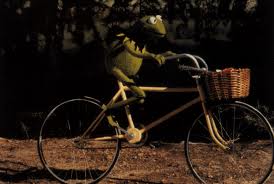
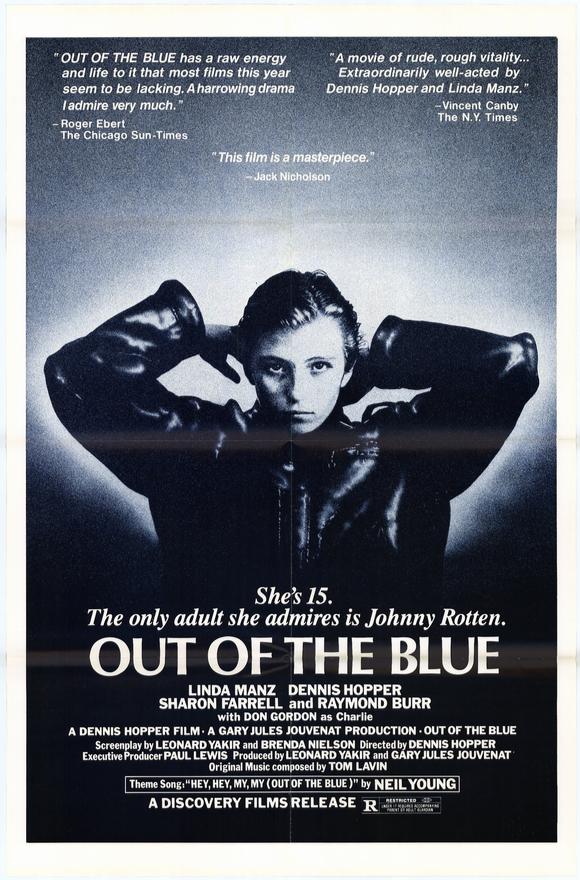
Just took Joni to the Museum of the Moving Image to see The Muppet Movie (1979). Wow. James Coburn as the “el Sleezo” cafe owner, Steve Martin as surly waiter, Richard Pryor selling balloons to Gonzo: “Why not take both?” Rainbows, hippies, Fozzy, “drag city,” self-referential pomo narrative, Piggy/Frog love. Jim Henson = connoisseur of abandonment extraordinaire.

Lightning has no Memory

It strikes twice all the time.

“The Lightning Field (1977), by the American sculptor Walter De Maria, is a work of Land Art situated in a remote area of the high desert of western New Mexico. It is comprised of 400 polished stainless steel poles installed in a grid array measuring one mile by one kilometer. The poles — two inches in diameter and averaging 20 feet and 7½ inches in height — are spaced 220 feet apart and have solid pointed tips that define a horizontal plane. A sculpture to be walked in as well as viewed, The Lightning Field is intended to be experienced over an extended period of time. A full experience of The Lightning Field does not depend upon the occurrence of lightning, and visitors are encouraged to spend as much time as possible in the field, especially during sunset and sunrise.”

Call it Off

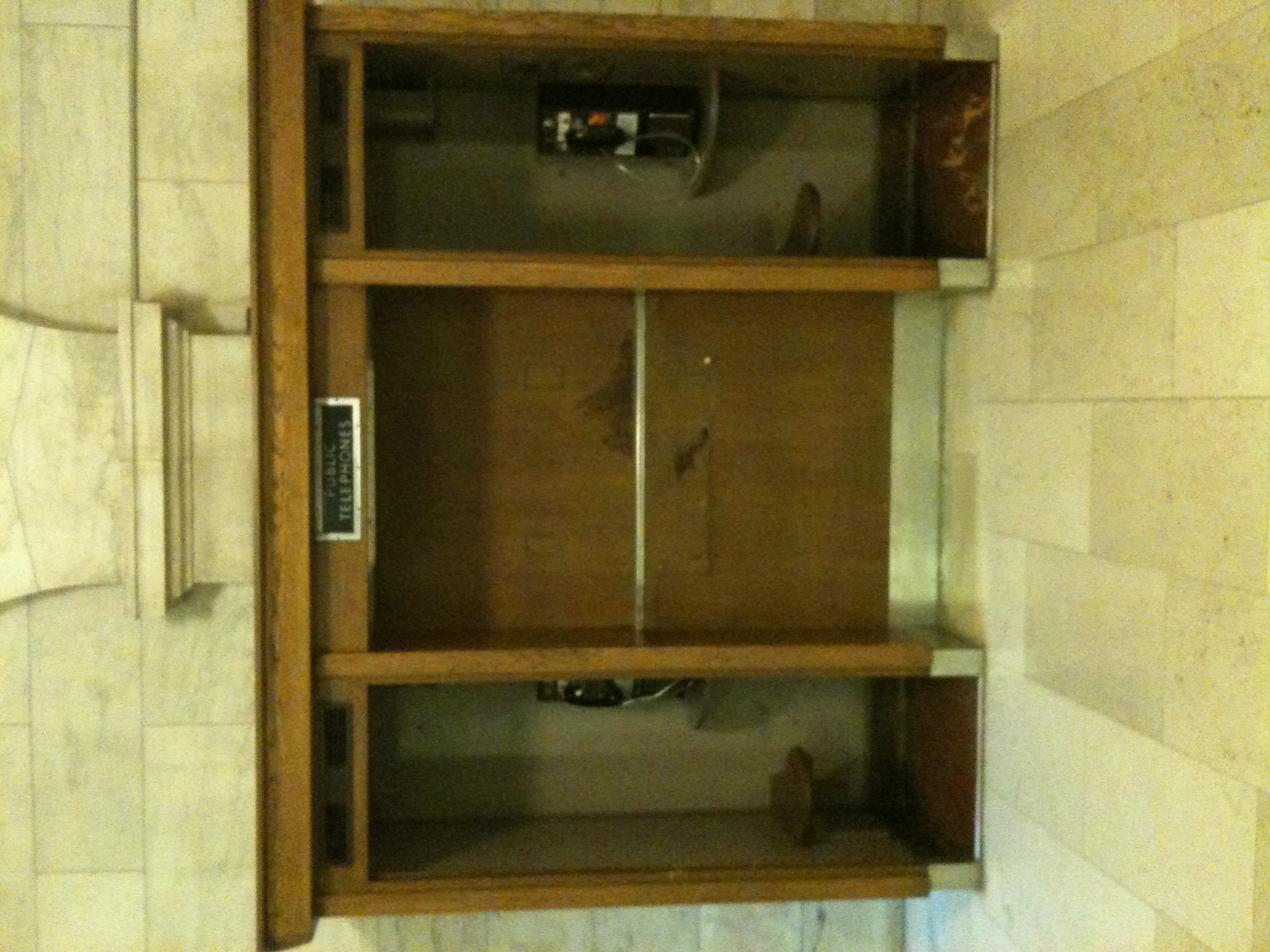
Public telephone booths in the Ghostbusters library at 42nd St. Gorgeous, vacant remnants of a time before the easy cruelty of text messaging. i’m sure there were just as many other ways for empty language to be tossed around back when these things were still necessary, but it’s comforting to imagine otherwise. If you had to stand in line, jangling sweaty quarters while you polished your proposals and refusals, if capriciousness was just harder, by default you would keep more for yourself?

I Like You Mostly Late at Night

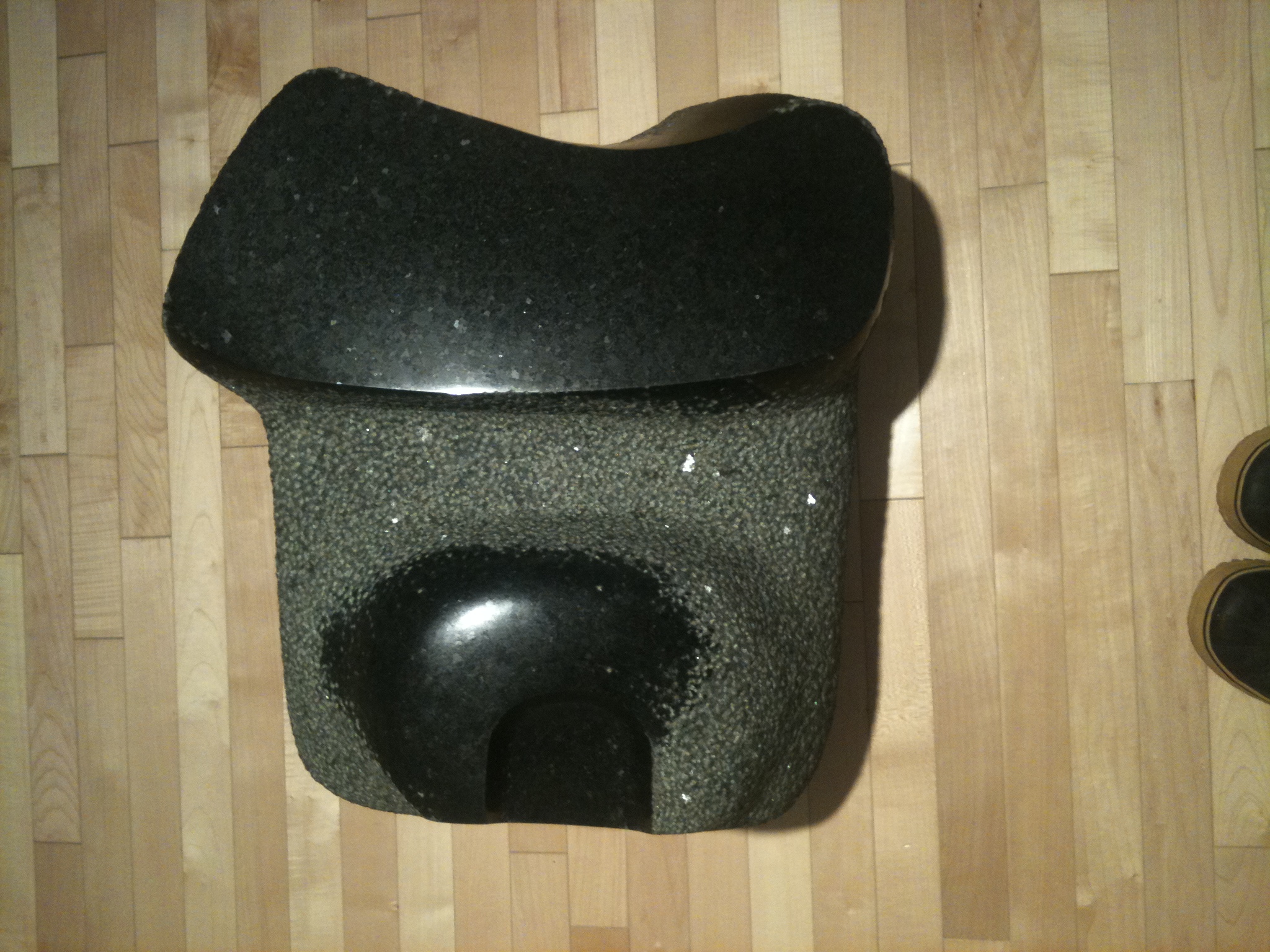
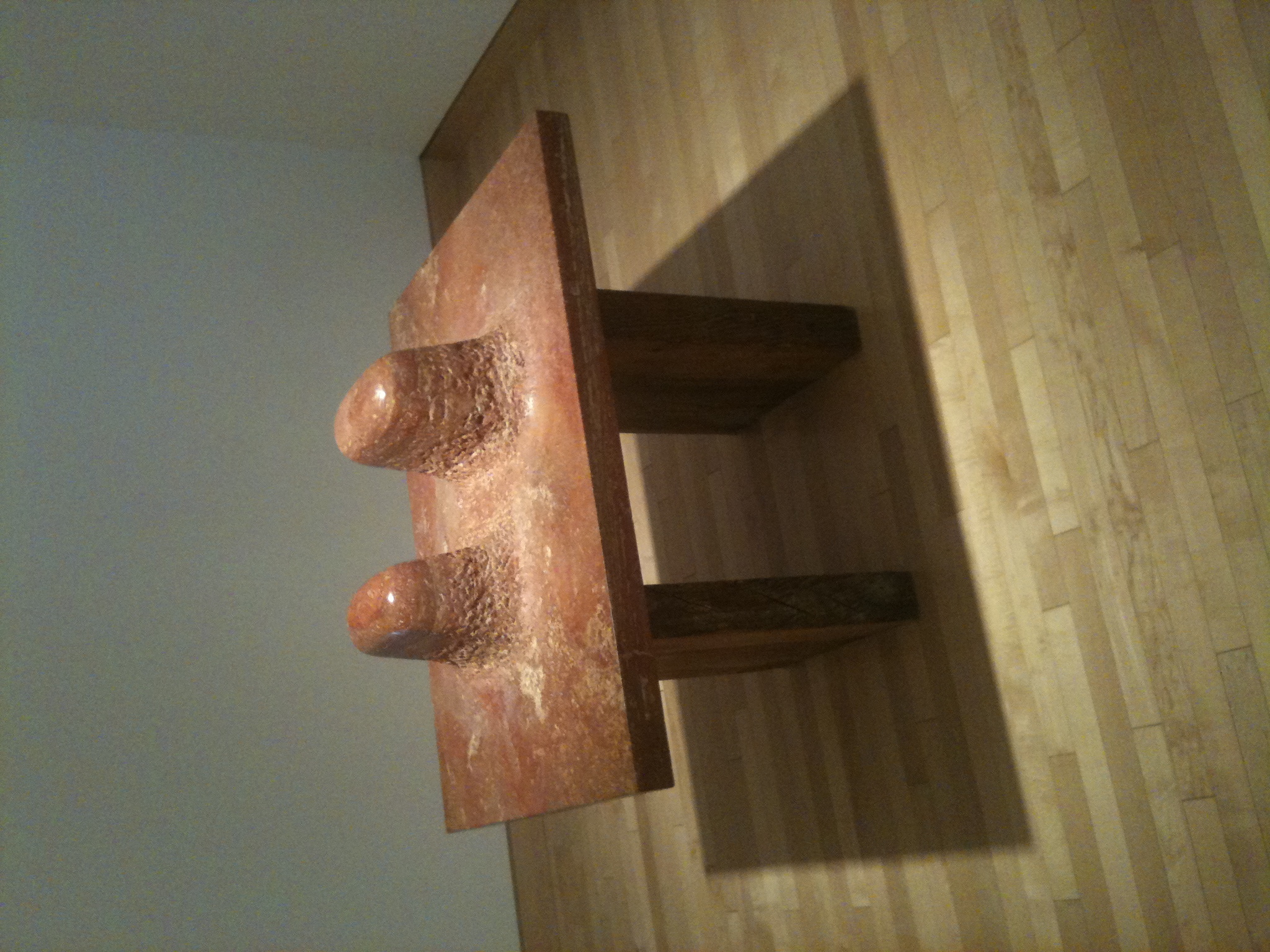
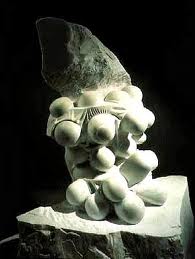
“There’s a way not to be broken that takes brokenness to find it.” This is a line from the poem “Cinco de Mayo” in Naomi Shihab Nye’s most recent collection of poetry, Transfer (BOA Editions, 2011). Certainly sculpture takes this concept as a maxim? A short list of favorites:


Isamu Noguchi

Louise Bourgeois

the burping seal

“Somewhere the saving and putting away had to begin again and someone had to do the saving and the keeping, one way or another, in books, in records, in people’s heads, any way at all so long as it was safe, free from moths, silverfish, rust and dry-rot, and men with matches.”     Fahrenheit 451

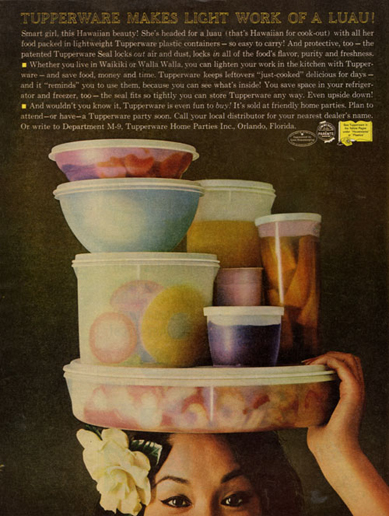
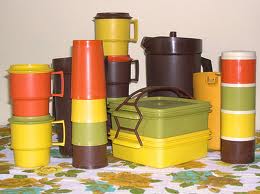
Sold at parties, mostly for and by women. Designed to save time and to extend the shelf life of food, but also a historically important opportunity for women to get out of the home, share time with each other, and achieve financial independence. At the heart of the project are the little plastic gems. Plastic and mass-produced, yes, but carefully designed with precious specificity. This one will save your carrot sticks, this one your watermelon. Lunchboxes, picnic and camping sets, popsicle molds, butter dishes–all with a boob-shaped button to be firmly pressed, no, burped. Like a baby.

Considering what we now know about BPA, there is a sad likelihood that, unbeknownst to their gleeful proponents, these pretty little things slowly, quietly detonated contaminants that may have contributed to reproductive disorders and increased possibilities of cancer and diabetes.  The line between keeping and rot, evidently, is impossibly fine.  

Please Do Not Die In The Machines As It Colors Your Next Man’s Wash*

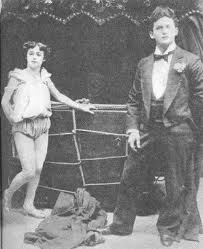
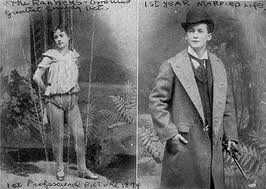
Certainly the man who created the artful disappearing act deserves a place on this page:

“Harry Houdini began his professional career at age 17 doing magic shows before civic groups in music halls, at sideshows, and at New York City’s Coney Island amusement park, where he sometimes performed 20 shows each day. For a time he worked with his brother Theo as ‘The Houdini Brothers’.  This changed when Harry met Beatrice Raymond, a teenaged singer and dancer who was also attempting a career in show business.  Harry and Bess married in 1894 and Bess joined the act as Harry’s new partner.  Harry and Bess remained devoted companions for the rest of his life. Harry gave her the credit for his success, and developed the habit of writing her a love note every day.  Harry did magic, Bess sang and danced, and together they performed a trick called ‘Metamorphosis’, in which they switched places in a locked trunk.”

*Title taken from Barry Hannah’s Geronimo Rex, page 26.

Hang Me Up to Dry

i’m only halfway through this, and would love it even if i didn’t have a child, but the empathy the Flame Alphabet has for the shock of the absolute difficulty of parenting is unlike anything i’ve ever read. Parenthood becomes a metaphor for the impossibility of having any belief concretely verified in any attempt at faith or love in or of something or someone. In my reading thus far, i would almost be convinced that language is evil, if not for the fact that it is the medium for Marcus’s tale–a tricky meta-challenge (negative allegory)  to the dismissal it receives from the narrative.

Excerpts:

“They must be approached separately, assigned their own coordinates. Curiosity about how others worshipped, even others in your family, even Esther, was not genuine curiosity; it was jealousy, weakness.  Burke called it a ploy against our own relationship to uncertainty. You can know nothing of another’s worship, even when they try to tell you.  To desire that information is to fear a limitation to your own devotion” (42).

“The speech cautions making the rounds, for instance, against I statements, against certain rhetoric deemed to be more toxic, attack sentences, that sort of thing, were probably not LeBov’s cautions. Even if it was possible, said Murphy, that an ultra-restricted language, operating according to a new grammar, might finally be our way out of this” (63).

“This crisis is different. It will be met with muteness. There’s no time for a last word. The last word’s already been had, and it wasn’t by us.  Civilization’s first epidemic to defy a public exchange of language…. You can’t exactly describe a poison with more of itself, write about how poisonous writing is.  And pretty soon the causes won’t really seem to matter. The whole fucking idea of cause” (67).

See what i mean?

Lost and Found

My Mom’s cousin, “Aunt Babsie,”  has a few mantras that my Mom has taken on over the years. One of them is, “Water is our friend.” Fair enough. Kind of funny at the right moment. The main one is, “Nothing is ever lost,” which my 3 year old really likes. Me: “Jonas, where are your shoes, honey? i can’t find them anywhere.” Jonas: “That’s okay, Mommy. Nanny says, ‘Nothing is ever lost’.” Sometimes it’s cute. Other times, at 8 in the morning when Jonas is in danger of getting locked out of his Catholic preschool, for instance, it just makes me cranky.  Negligent New Age platitude useless not helpful arrgggh.

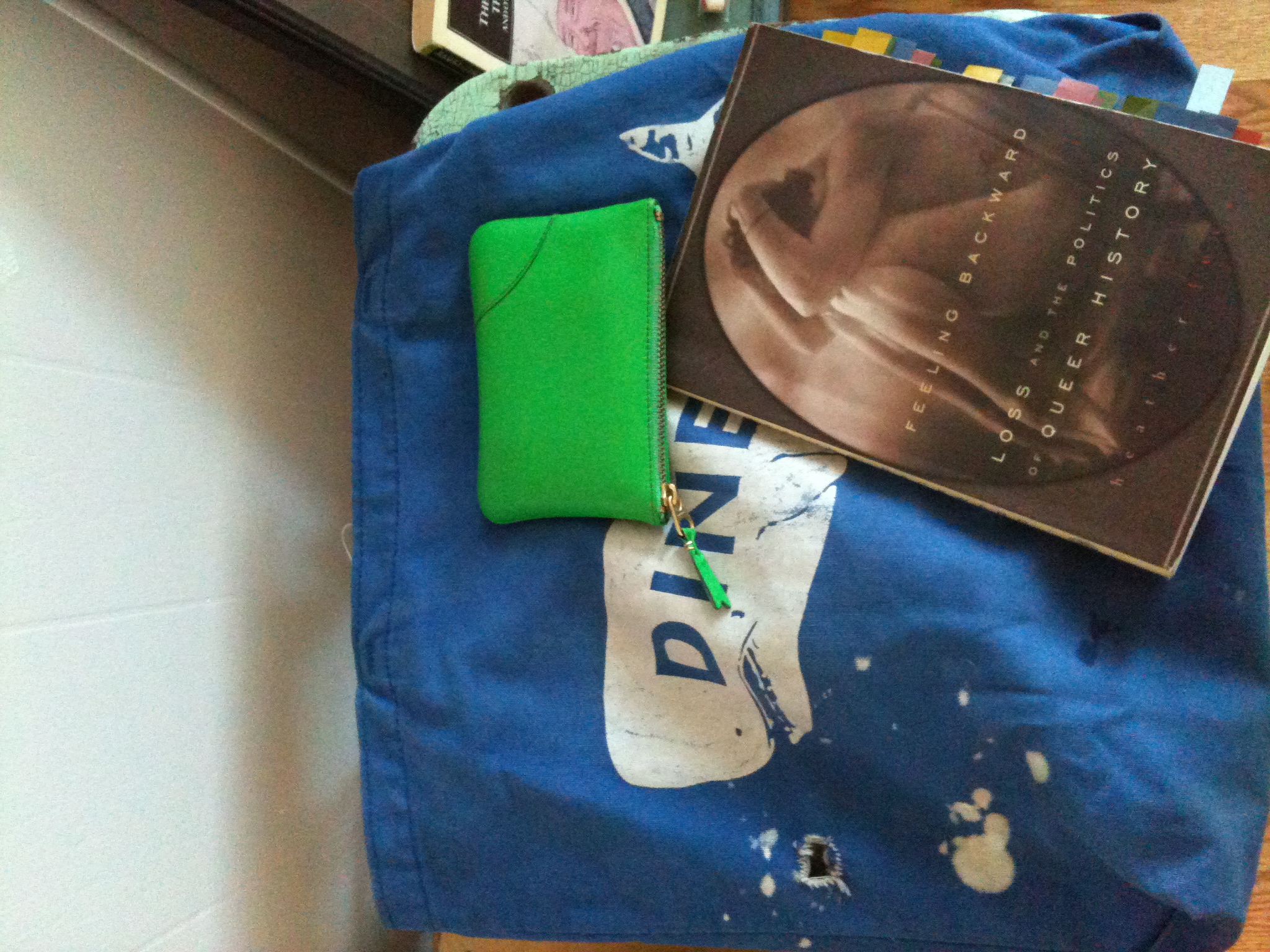
Last week, when Juan from the MTA NYC Transit Lost Property Unit called to let me know that a bag i left on a subway over a month ago was waiting for me at the 34th St. lost and found, Aunt Babsie’s phrase immediately came to mind. i yelped and thanked the guy on the other end of the phone over and over. The bag itself is a bleach-stained, tattered, beloved, gross, kind of blue Diner tote with a faded white whale decal on the side. Inside i had lost my wallet, a bright green Comme des Garcons pouch–a borderline fetish object for me. The wallet held about $100 cash and all of my cards: my ID, my social security card, museum memberships. Also in the bag were notebooks i am using for my dissertation; a clear plastic Muji pencil case containing a fat black eraser; two mechanical pencils and my favorite ballpoint pen–also from Muji; a zip drive on which i store all of my important work; some postcards i had just purchased at the Frick; an endorsed paycheck; my house keys. Basically all of the things that make my life function. When the bag came back to me, all of these items–excepting the cash and the bag from the Frick–were inside.
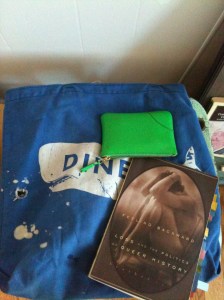
Also in the bag, and also now back in my possession, was a copy of Heather Love’s Feeling Backward: Loss and the Politics of Queer History. Feeling Backward is an academic book in heavy rotation for a dissertation chapter i am writing. My weathered copy is filled, from start to finish, with little tabs and handwritten notes. It is a book that i use. i was shocked to have lost it. Somehow i have never misplaced a favorite book. As i am both prone to losing things and in possession of many, many books, this was yet another reminder, in a year filled with so much loss that it was beginning to feel like a self-defense mechanism, that some things are worth keeping.

Of all the books to have suggested this lesson, Love’s book is keenly appropriate. The epigraph to her introduction is from Roland Barthes: “Who will write the history of tears?” Love’s introduction goes on to suggest: “Sometimes it seems better to move on–to let, as Marx wrote, the dead bury the dead. But it is the damaging aspects of the past that tend to stay with us, and the desire to forget may itself be a symptom of haunting. The dead can bury the dead all day long and still not be done” (1). A connoisseur of abandonment, Love argues that attending to painful, useless, and even embarrassing attachments is also a kind of action and a potentially necessary component of agency. Hers is an affective critique of the teleology of progress and of the alleged necessity of letting go.

Surprisingly, i think Aunt Babsie might be right about this one. Perhaps nothing is ever lost, although the shape it returns to us in is occasionally unrecognizable from the one it took when it was lost. In practice, actually deciding not to lose things is much harder than it seems.  Most of us are taught to replace a feeling as soon as it is taken from us, or when we decide to lose it, because absence is so uncomfortable and…confusing. Sometimes holding onto something or someone who escapes us over and over can even teach us how to hold all over again, because a connoisseur doesn’t trade; she learns.