He does the military two-step down the nape of my neck.

“With freedom, books, flowers, and the moon, who could not be happy?” –Oscar Wilde

i read the Times piece on Malala Yousafzai yesterday and couldn’t get through the first paragraph without doing some gross crying. Stop. Check email. Keep reading. Stop again. Screw around on Facebook. Email some photos to myself. The more vapid the distraction the better, i think, but it isn’t helping. Try to keep reading. Finish the article. Look for more. Get through about half of the documentary on the Times website and get up and sweep the floor. Wash the dishes. Make Joni’s lunch for tomorrow. Decide against eating his crusts. Refresh the Times story, again, to make sure there were no updates. She still seems to be on the mend, but the article’s original title, “Teenage School Activist Survives Attack” is now “Taliban Gun Down Girl Who Spoke Up for Rights.”

In general, i dislike manipulative admonishments like, “Children are starving in Africa,” or, “It’s not Vietnam,”–a wordsmith ex of mine was fond of throwing the second deflective jolt at me when i was pouting on his behalf. The problem with this strategy is that, no matter how many times i clear my plate, children are still starving in Africa. In fact, the mindless clearing of plates could actually be exacerbating the situation. Similarly, for someone in my subject position, “it” is never, ever, Vietnam. i was never baptized, and i guess that is relevant. Pseudo-morality scaffolding was simply not a tool in my own parents’ arsenal. i was raised to understand horror as neither transferable, inspirational, nor vacantly rhetorical. Oblique, gentle, long term compassion can’t be taught through pithy guilt trips.

Today is the first international ‘Day of the Girl,’ and while i support this global attempt to draw attention to the continuation of practices around the world that violently circumscribe the possibility of “freedom” and equality for girls and women, i would also like, in the spirit of this blog, to remind you that ‘plain prose cheats’. The very real preponderance of violence against girls and women is dependent upon foundational fantasies of female “nature” and of the obviousness of gender. i am good at making something out of nothing; i have a lower success rate with making something out of something, but the argument of performativity is that the transformation of narratives of the “real” is both possible and necessary.

i’m glad that you’re older than me.

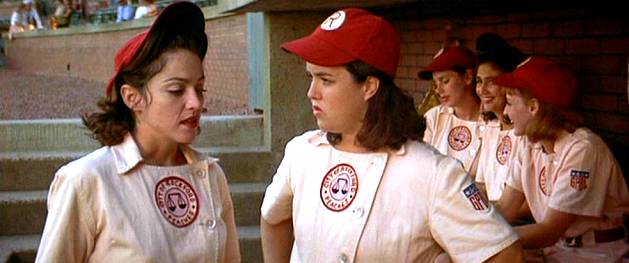
i’ve been working functions at the Hotel lately–mostly weddings. As someone who is deeply ambivalent about marriage, i am constantly shaken by the apparent confidence and experience with which wealthy, attractive people plan and execute these events. Most of the couples seem to have been together for a respectable amount of time, and their families are fairly relaxed. Many of them perform their ceremonies at the Hotel, which are generally quick and devoid of sentiment. Surprisingly, the toasts are what choke up the staff. Maids of Honor who can get up and tell stories about what the bride was like in Kindergarten. Brides who are still gloating about having beat the groom in a 7th Grade Social Studies Brain Bowl. Confident people familiar with each other who grew up in a culture of sticking around. In the middle of the first catering, watching from behind a curtain with another waiter, i looked at him wide-eyed and demanded, as if we were at the movies: “People are really like this?” Check, please.

A good toast is organized around a funny but poignant anecdote that both proves the speaker’s long history with one of the newlyweds and makes an argument a., that this member of the couple is an exceptional human being; and/or b., it describes why these two were ‘meant to be’. Last night, a couple hosted a rehearsal dinner in the private dining room–a cozy space downstairs with walls of original brick and relics on the ceiling from its factory days. (Authenticity provides an extremely marketable blessing for these events.) This couple, for example, had known each other since middle school. One of the bridesmaids spoke about how the bride has been an anchor for their circle of friends since college, and that she thought the relationship the bride had with her mother had made her capable of such enduring relationships. “Oh boy,” i quietly cursed. My eyes began to water and i swallowed hard.

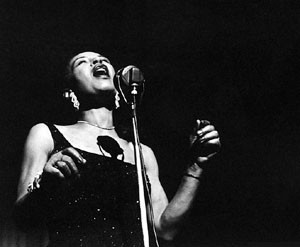
A week earlier, i had unexpectedly found myself on a 6:00 am flight to Charlotte for my grandmother’s funeral wearing, as fate would have it, my wedding dress. i mean, it is functional and black and i wanted to look nice. If anyone even noticed, i didn’t hear about it. No one who was at the funeral had been at the wedding, anyhow. i met my brother in the airport and my Mom at the funeral home. My grandma–“Nana”–was one of 6 sisters, and she was the last to pass away. She grew up in Miami, but lived in North Carolina for most of my life. Her life was epic, but quietly so. A legend in my mother’s memory, i had memorized a dozen scandalous stories about her by the time i was ten. Her name was Billie, which seemed bizarre to me as a child and very cool when i grew up. The strongest, most pervasive details were from her years as a missionary to Japan–a stint that included my five year old mother and her younger sister. My grandfather, who flew planes in Europe in WW2, became a test pilot when he came home. A few years later, he went down in a wooden model off the coast of San Diego and my grandmother went to Japan.

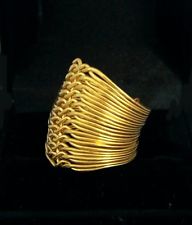
They had been married in Jacksonville, and spent their honeymoon at the Flagler Hotel in St. Augustine. The hotel is now a private college. Sitting in the backseat of one of my brothers’ cars, i passed it countless times on the way to the beach when i was a kid. i liked imagining this glamorous past that the college and my family shared. i liked thinking about my grandmother, who wore fancy rings and had a gigantic closet full of stylish clothes and shoes and who took me to church when i came to visit. Her father grew up on a plantation in south Georgia and never learned how to tie his own shoes. i spent some summers with her when i was younger, and we would eat watermelon outside on the swing and giggle as we spit the seeds onto the red clay peeking through her permanently balding grass. She had window boxes filled with real flowers. She taught me how to cross-stitch, and play the piano, and took me to the mall in Charlotte to go ice skating–the only times in my life i ever did it until once, a few years ago on a chilly day in Harlem–amazed at how it came right back. Her second husband was in the Air Force, and they lived in Turkey for a few years. She came back with a wicker elephant for me that i liked to pile all of my toys into and then take them back out, one by one. In passing, she left me a Turkish wedding ring–also called a puzzle ring. i used to love to watch her take it off and shake it apart in her hand and then slip it back together. Evidently, these rings have quite a history: “Puzzle rings, also known as Turkish wedding bands, are said to have originated in Turkey. A nobleman wanted to know if his wife was being faithful, so he gave her a ring that would fall apart if she removed it. Since she didn’t know the instructions to put it back together, he would be able to catch her infidelity.”

Riding in my aunt’s minivan to the funeral home, my uncle told us about some of the funereal drama. My step-grandfather’s daughter evidently referred to Nana as a “cougar”–she was 15 years older than him. She had also scoffed at Nana’s excessive closet, wondering where ‘she had ever worn any of this stuff’. My Mom and my aunt were livid about the location of the grave. A low-end graveyard that probably gave a Veteran’s discount with no shade. Standing by her coffin, marveling at the smooth wet slice of clay peeking out below the coffin like red velvet ice cream cake, i was sad, very hugely and softly sad–not for her death but for her abandonment. For having barely seen her over the last decade. For the long days i know she spent at her desk filling yet another journal. For the fact that she ever had to leave the Japan she loved. For that grave i know i will never be able to find again. Never visit and never tend. The gold on my finger, marrying me once again–this time to her legacy and marking the easy bond we always had–is what i will do instead. My own authentic reminder, the next time i begin to well-up at the din of forks tapping wine glasses, of the ways i’m trying to alchemize all of this desertion.

Preach a little gospel, sell a couple bottles of Dr. Good

i finally fixed the lock on my mailbox last week. Walking over to the locksmith by Five Leaves that is somehow always packed, purchasing the correct lock, making it back home, going upstairs to grab the tiny screwdriver i use when i need to change a battery for one of Jonas’s toys, running downstairs again and figuring out how to screw the pieces in–maybe took me an hour. Maybe. The thing is, it’s been broken since November. My key snapped in half in the lock, and i just left the door open, but my mailman finally stopped delivering the mail because he decided it wasn’t safe. So then i had to fix it, because i evidently can’t not receive my mail. My Dad joked, “You need a man around the house.” i rolled my eyes deeply into the phone. “DAD. i fixed it. MYSELF.” It’s not that i couldn’t do it. This was more of a soft protest. i just. Wouldn’t. Perhaps i do need someone or something around the house, but probably not in the way he meant. i’ve already got way too much trouble getting out of bed.

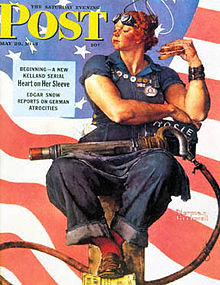
Some years ago, i worked in a Feminist bookstore. Yes, we were almost exactly like the Portlandia skit, and it actually was a tiny haven of awesomeness. One of our bestselling items was a “Rosie the Riveter” poster. Rosie, that powerfully ambivalent icon of untapped female potential. With a flexed bicep, she proclaims “We can do it!” We can win the war, we can defeat the Japanese (as the little pin with an image of a Japanese woman’s face [she has tiny horns] on her collar suggests), we can do work usually undertaken only by men, we can work with African American women, we can become financially independent. i think the poster (and the mug, and the pins) sold so well because shoppers liked the possibility of rallying behind this image that we would now read as unabashedly butch. “We” is no longer nation; it is now gender, and the specifics of Rosie’s origins are generally lost in translation. For me, Rosie represents the complications of consumer feminism. She has been productively co-opted by Feminism and no longer is really a symbol of patriotism, but a more general sense of a woman’s ability to…do…it. Yes, we can do it–but wait: what the hell is “it” anymore?

Everyone i know from grad school remembers the one text that began her obsession with critical theory. She was a good undergrad, loved her English classes, but then one day she read x and from that point on had a new understanding of politics, words, and, well, she became an academic. Life outside the diamond became a wrench. In a letter, Emily Dickinson asked, “If I feel physically as if the top of my head were taken off, I know that is poetry. These are the only ways I know it. Is there any other way?” An ex-boyfriend told me once that he couldn’t sleep for days after the first time he read Walter Benjamin’s “The Work of Art in the Age of Mechanical Reproduction,” and i was in. That he had very long eyelashes and could quote Drugstore Cowboy with an impeccable timing that always made me giggle didn’t hurt, either. For me, that entry in the course pack was Louis Althusser’s “Ideology and Ideological State Apparatuses.” ISAs for short. When i worked at Isa, i thought of the acronym every time i walked in the door, even though the restaurant’s name was taken from the Estonian word for “father,” which is not so far off the mark, either.

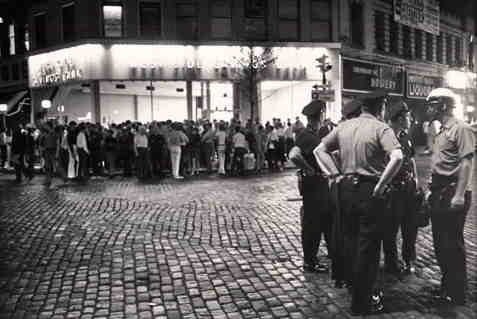
Instead of saying “sex,” i pretty much always say “doing it.” i generally understand this as one of my many Seventies affectations, but i do like the way it retains some recognition of sex as productive–not necessarily in the way Rosie might have understood production, and not in the way we generally refer to “reproduction,” but in an Althusserian sense: as ideology. In his essay, Althusser discusses the quintessential role of the reproduction of conditions of production for Marx, and “fleshes out” his understanding of ideology, announcing his maxim: “Ideology represents the imaginary relationship of individuals to their real conditions of existence.” Yesterday, walking down Wall St with my son and two friends, we simply could not believe the ratio of police to protesters. Here were bodies moving through a space defined negatively by police, and while this is technically an example of what Althusser would call “repressive” state apparatuses, the way in which the arrogant, anticipatory presence of police on the one year mark of Occupy Wall Street “made visible” relationships to power we might usually allow ourselves to dismiss as imaginary was staggering. Yes, we can do it–pretty much however we please, but how do we translate the expansive possibilities for sexuality that have been painstakingly won over the past 50 years into dynamically new lived relations that continue to ask the question of how not to pass on this story?

Makes me feel like a thief, when you’re bleeding.


When i was in the Seventh Grade, my mom and i moved to Jacksonville for a year. i had just finished settling into my first year in Gainesville–loving my comparatively progressive public middle school and our house on SE 6th street behind the old post office. We had a gigantic herb garden and Gloriosa “flame” lilies wild in the back yard. We discovered 706, and occasionally would order hot, whole wheat, buttery rolls to-go, their aluminum tin scorching my lap in the car on the way home, but most days Mom sent me over to Emiliano’s for a loaf of Cuban bread. i rode my bike to school. My art teacher was my best friend. i was not missing Palatka. Gainesville was odd enough for my new life, and we seemed to fit in. In early summer, a brown Rolls Royce began spending the night in our driveway. A woman all of her friends implored her to stay away from would soon whisk us away to what was then the largest hell-hole in the country: Jacksonville. By the end of the summer, we were packed off to her girlfriend’s riverfront condo and nascent antique business–she had just left the stock broker’s life, from which the Rolls was one of a small horde of gaudy spoils. The bullet hole scars on her belly and her ex-smoker’s cough that could still produce puffs of smoke–one of her many parlor tricks that also included psychic channeling and other types of witchcraft i am hesitant to describe–were a bit more difficult to rationalize.

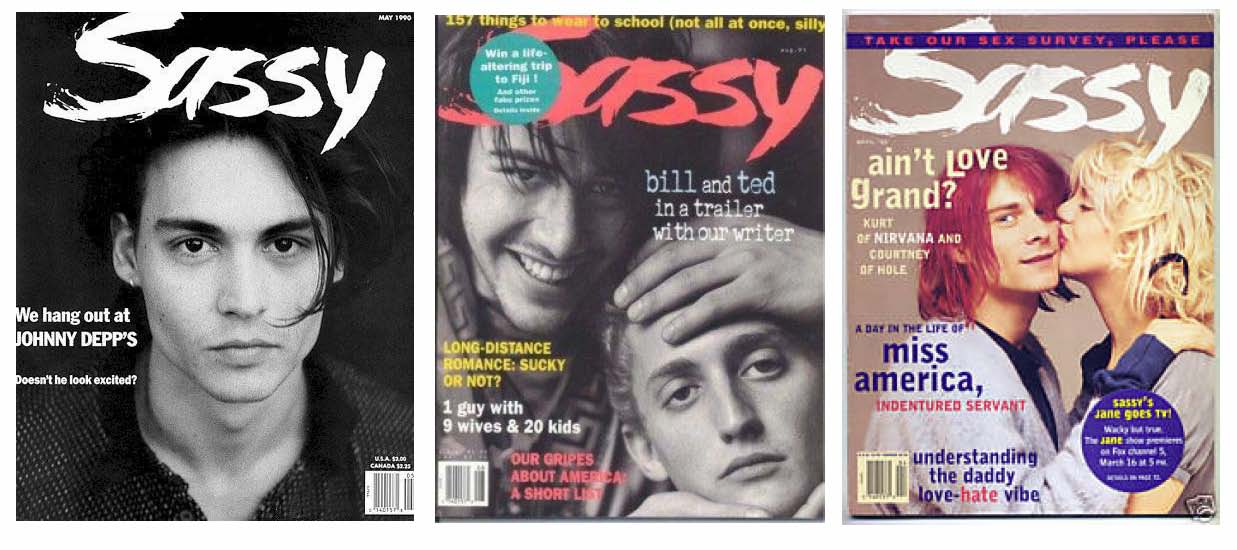
i rode a school bus an hour each way from the Westside redneck sprawl of our neighborhood to the no-one-was-even-trying-to-gentrify yet thriving downtown ghetto to attend the Eugene J. Butler Seventh Grade Center. This was the public school option, so that’s where i went. For the first time in my school career, there was no Gifted Class. i attended a regular Language Arts period and learned rote rules of grammar–an experience for which i am still truly grateful. Sitting on the bleachers in P.E., the girl next to me admired my Liz Claiborne purse and we bonded immediately. i spent many nights at her house eating fries from Rally’s, listening to the Gucci Crew and R.E.M. on her shitty cassette player, and reading her copies of Sassy over and over. It was she who was scouted when a representative from a modeling and acting school–think Barbizon, but cheaper, came to recruit girls. She received a free class, and i somehow talked my mom into paying full price for a semester for me. i was enthusiastic, but hardly a natural. We were taught how to coordinate eyeshadows and liners, the correct amount of foundation (for a Seventh Grader) to wear, and how to set a table. In one class, we were taught proper diction, and Edgar Allen Poe’s “Tell-Tale Heart” was one of the texts used for recitation. Of course, i was a reader. i mean, i’d read everything by Stephen King and C.S. Lewis, Judy Blume, V.C. Andrews, and even a few contraband Danielle Steele novels nicked from one of my Dad’s girlfriends–but this was something else. Very short and still kind of trashy, but open-ended and invested in metaphor. i’m not sure why, but i saved the copy i’d been given at the modeling school for years. Maybe i just liked the title, but i also liked how, even though we were supposed to have just been using the story to practice speaking out loud, our class had been sidetracked by a long conversation about what the story “meant.” Too bad we weren’t somehow compelled to do the same about lip liner. The antique business ended up being a stall at a flea market i had to tend on Saturday mornings–my glorious entry into the world of service. i might not have been able to flip it into a profession, but this was the year i learned about acting.

Two weeks ago, some doctors discovered that my boy has a poet’s ailment: his heart is improperly conducting. It both beats too slowly and pauses for too long between beats. This is because he has a heart “block”–its electrical impulses are often either delayed or stopped. He now has a pacemaker, which will stimulate the muscle and keep it beating at a regular rate. It is a “pulse generator,” and runs off of a little battery that lasts for about 8 years. When we told him about it, he excitedly asked: “Like a robot?” Yes, actually, we said. But then he got nervous and cried, “But will it make me walk like a robot!?” No, no, no–we assured him. You will still walk the same way you do now, you just might have more energy. Walking was of course one of the main things we practiced at the modeling school, where i learned a saunter i still find myself bound by. i don’t have any droid parts on the inside, and i am fascinated by this early, lucky intrusion into Jonas’s “natural” self. i am also struck by his concern that this process would alter how he performs, rather than how he feels. He is not even four, and is already keen to the ways in which his own little body is an empire of signs. But his heart, it is impossible for me not to let my mind run wild with metaphors. He will never be able to play contact sports, and i’ve never been able to love any other way. i hope that all of my own sitting around mooning over discourse and desire will help me teach both of us how to be more careful with that little red treasure chest. Tiny fatemaker. Precious motor.

We all need someone we can bleed on.

Maybe it’s perfectly fitting that one of the biggest hits by the Stones is one of the least romantic songs ever written: “You can’t always get what you want (But if you try sometimes…”) — you know the rest. One of my earliest memories is of insisting on a lacy pale yellow and white pair of socks, tantalizingly on display between the Juicy Juice and the V8, right at grocery cart height at Publix, of all places, in Palatka, and of my mother saying no by singing this song to me. Pragmatism was evidently no more appealing to me then than it is now, as i’m sure i responded with my best wailing pout of disapproval.

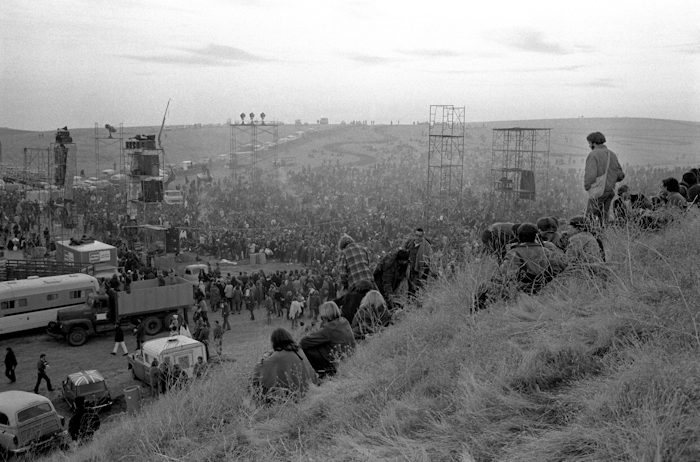
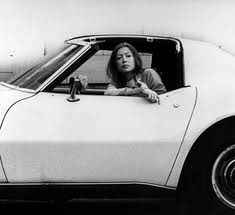
Let It Bleed (1969), released the day before the free concert at Altamont, begins with “Gimme Shelter” and closes with “You Can’t Always Get What You Want.” The album is adult, disappointed, junkie, sad, and the last to include Brian Jones. In my mind, it is akin to that other great abortive elegy to “the Sixties,” — Joan Didion’s Play it as it Lays (1970): “The bleeding began a few weeks later. ‘It’s nothing,’ the doctor on Wilshire said when she finally went. ‘Whoever did it did all right. It’s clean, no infection, count your blessings’.” Both beg the question of what is to be done when the romance is gone but the desire remains. Want and need — can we really know the difference? And what can we know from novels, from rock and roll? Maybe, in the long run, much more than the papers ever gave us.

Here’s a slightly different question, what does it mean to call leftist politics romantic? Why is something like the Baader-Meinhof “gang”–the exact opposite of a Cinderella story, dismissed as “romantic”? “Romantic” can describe a supposedly trashy novel, impractical ideas, and/or feelings of preoccupation and affection — (“love”) — for another person. What do reckless idealism, selfishness, and love/desire have to do with each other? For a long time, i found myself sort of floundering in graduate school. These were the questions i was interested in, but i didn’t know how to combine them. Questions about desire were asked in one class, Marxism in another, until queer theory came along. On the first day of ‘Introduction to Queer Theory’, i was nervous as usual — anticipating the usual uncomfortable necessity of disciplinary introductions — but with the added worry that i would have to provide some inadequately shorthanded sexual identification (which of course never, ever happened). This complicated word –queer– gave me the room to keep pushing for a way to find a common space for my records and my books and my novels and my day job and my night job and my extremely conflicted (didn’t want, did desire) heterosexuality. “All your love’s in vain?” Check. The only way to make it okay seemed to be to take it apart–to make it not need to “count.” “I laid a divorcee in New York City?” Check. “Come on now, honey, don’t you wanna live with me?”; “And there will always be a space in my parking lot?”; “Feeling foolish, and that’s for sure?” Check check check. Let it Bleed, indeed. But, how is this political, you might ask?

If you are someone who has actually needed to say no– to any or all of the rules and expectations of heteronormativity (another supposed definition of romance) — you won’t ask, because you will already know that this is literally an extremely expensive refusal. Part of what makes leftist politics romantic is their sense that this is not the only way, that it is possible to say no–a sometimes extreme desire for a very pointed and thoughtful and, alas, necessary, no. Feminists, activists, waiters, academics, band dudes (i consider that a gender neutral category), teachers, nurses, strippers, librarians, clerks, and everyone else who lives by night–you are holding out for something. Do you remember what it is?

Can’t Remember What i Miss.

Every morning, as i wake up, and often at night, as i am falling asleep, i have to remind myself of where i am. Narcolepsy keeps me from having a gentle entry or exit to and from dreaming– leaving me where i was right where i am. i pop out of sleep, and start planning a day in Gainesville–i’m going to get my coffee at the Slice and then ride my bike to campus. i don’t teach until 1:55, so i’ll hide out in my office and catch up on grading. After class i’ll…go to the pool? Wait, for some reason i can’t…go to the pool…today. And, this bed. It’s too close to the windows and there’s only one cat on it…where is the back i sleep with my face pressed right into, knees tucked into the back of knees, arms tight around waist. Not, no, no. Stop it. Back, it starts coming back–i’m in Brooklyn. i run the details for myself–everything that’s different, the arrangement of these rooms i live in now, the people i will or will not find in them, the weather. Gradually, i am convinced.

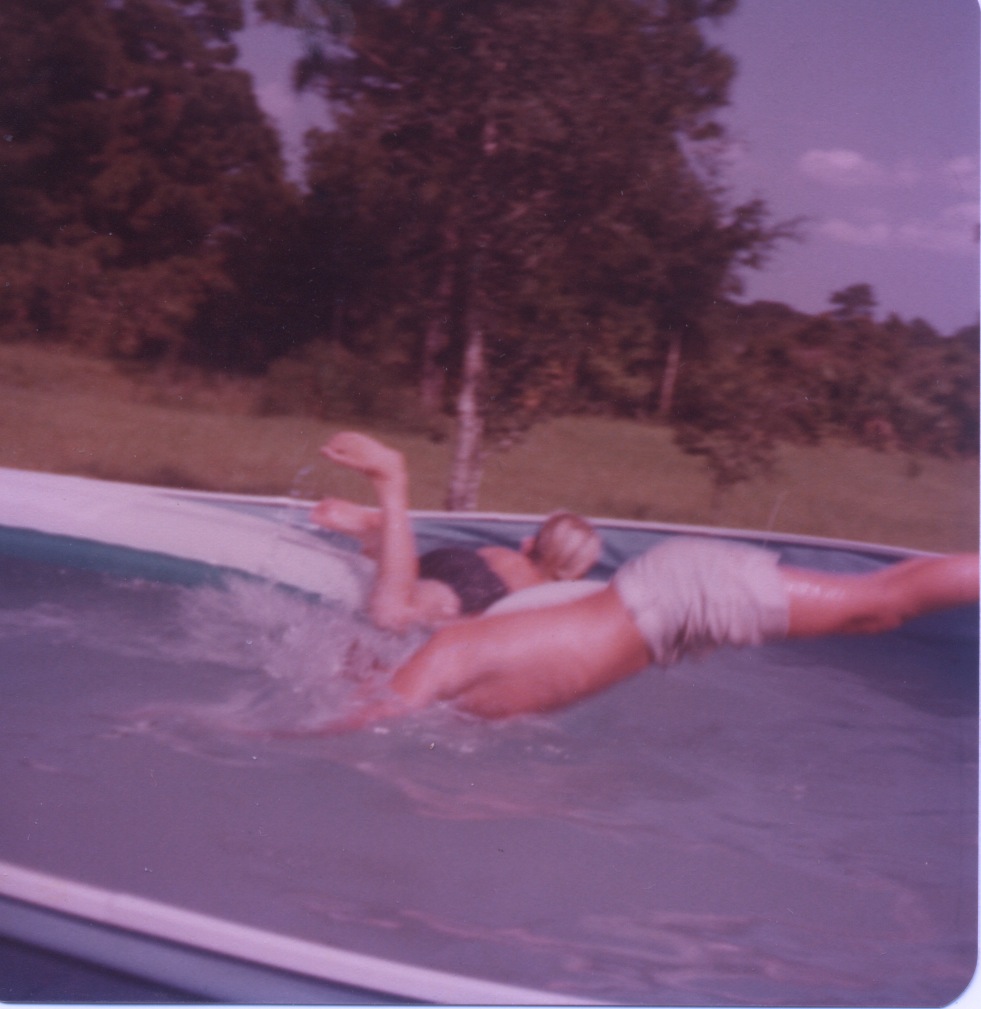
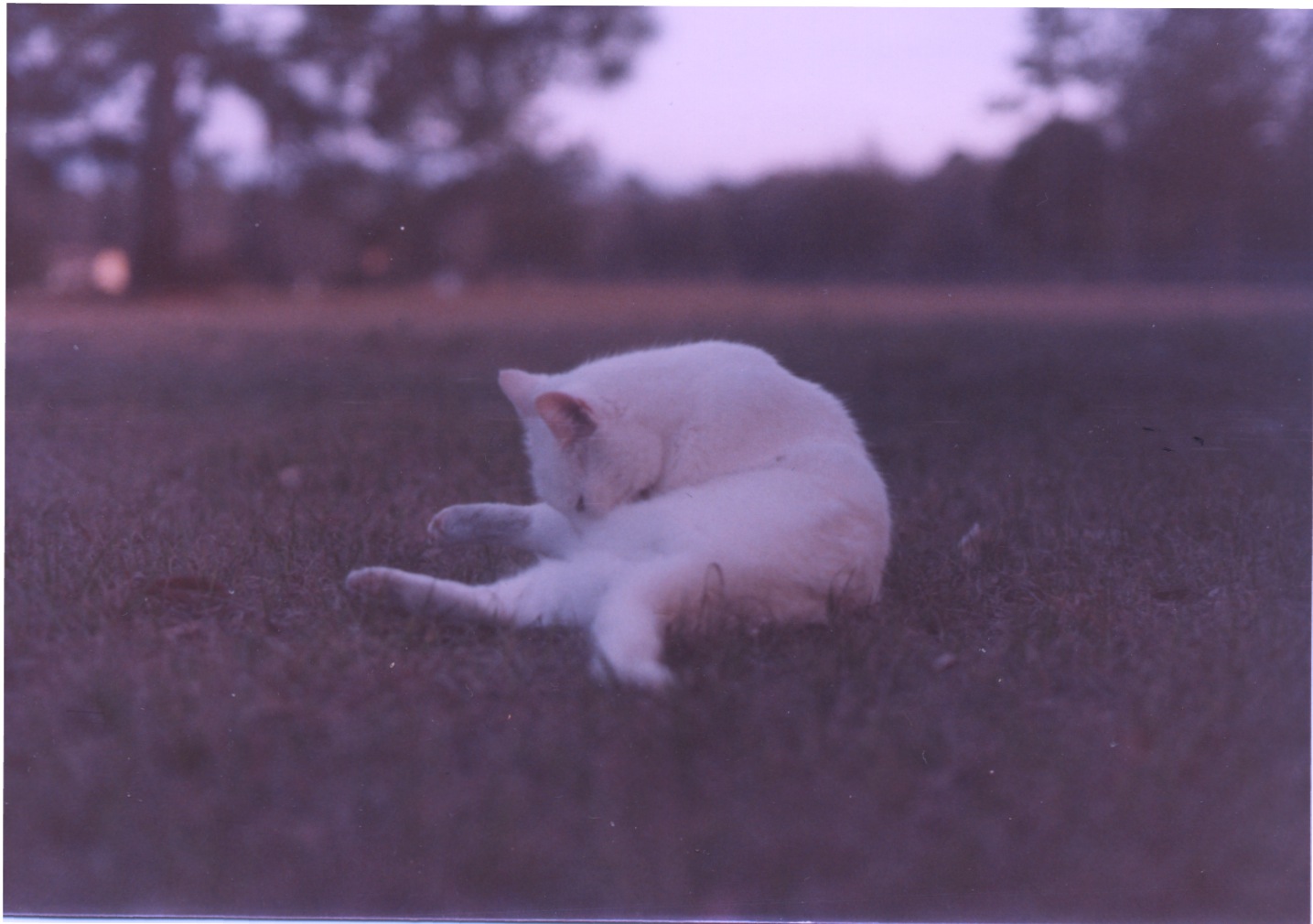
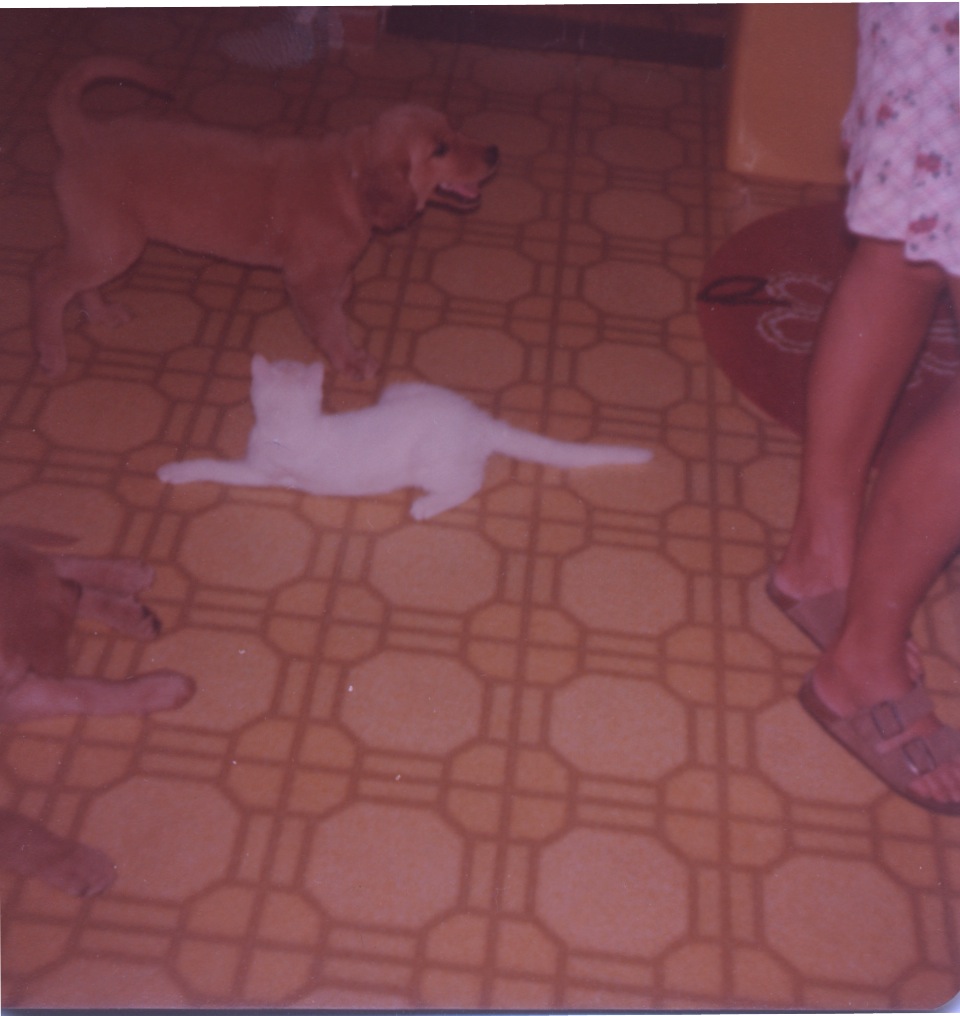
For as long as i’ve lived in New York, my dreams are mostly set in the only house i’ve ever lived in for more than 3 years: a brick house with yellow linoleum in the kitchen and the hallways and differently colored carpet in each room. The house with a fireplace and a long kitchen and a back porch lined with railroad ties and flower beds. It has a yard with a concrete basketball court and a chicken coop wrapped in honeysuckle and palmettos around the pines and antique roses and blackberries in the palmettos, and rattle snakes and a white cat and two golden retrievers. For a long time, when i was little, this was the place where i grew up. When my parents left Miami, where they had both grown up, they moved to Palatka, Florida–famous for the assy stench of its paper mill. My Dad worked for Florida Power and Light, and some of his friends from work had transferred north already–setting up idyllic, vaguely hippie, enclaves. My parents were still married for most of my time at the house in Palatka, and i remember an antique sewing machine that was the perch for a tall, skinny, wooden birdhouse with little finches flying around inside. i remember a fuchsia crepe myrtle tree in the front yard, waxy, prolific gardenia bushes, zinnias and petunias and roses and pine trees and oaks and Spanish moss and a creek in the back yard. An above ground pool. Macrame and wallpaper and wood panelling on the walls. i’ve never been someone who writes down my dreams or looks to them for clues to my waking life, but the sheer persistence of this place in my subconscious makes it hard for me not to ask what i might be trying to tell myself. i’m not so good at listening to the advice my rational self tries to give–i don’t really trust it, but maybe i could find something in this other non-linear register more persuasive?

Sometimes i think there is already too much in there, and the narcolepsy is like a systems crash. Many people who have narcolepsy are also obese, because the brain protein that tells you when to stop eating is like? the same as? the one that lets a body sleep deeply enough to earn regular sleep cycles. Physical obesity is luckily a problem i don’t have, but physically, emotionally, and intellectually–i can’t really get enough. i want to know everything, feel everything. Nothing feels like too much until i wake up on my kitchen floor at 4 in the morning, curled up under the ironing board, usually with a snack clenched in my fist. Sometimes this means i came home from work, walked in the door, opened the fridge and grabbed the first thing i saw and then sat right down. Whether or not i’ve had anything to drink seems to be irrelevant–exhaustion is the trigger, and it seems to be a kitchen v. bedroom sort of thing–like sleeping on the couch in your underwear while your wife is out of town.

The only thing i have from that house is a photo album. Shortly after my Mom left, when the house was kind of a wreck all the time and we were trying to figure out what it would be like without her, i made a photo album. There were little 4×4 photos with dates and notes in my grandmother’s handwriting shoved into kitchen drawers and newer envelopes of 4×6’s falling out of other albums and in closets that no one thought they cared about. For a minute maybe it seemed like a time we might be better off forgetting. i started saving them when i found them, and eventually put them into a kind of crappy brown photo album. The pages are mostly yellowed now and some of the photos were taken out and never returned, but they are the pictures of the time we all spent together in that house. Like all of the other photos i’ve saved, and the walls of books that watch me sleep, and the crates of records, and my portable turntable that i pull up close–they are evidence. Tangible proof of another place and of a different way of doing this.

Things you do, Don’t seem real.

Kashif Nadim Chaudry's "A Queers Diary"

Kashif Nadim Chaudry’s “A Queers Dowry”

“I learned an important thing in the orchard that night, which was that if you do not resist the cold, but simply relax and accept it, you no longer feel the cold as discomfort. I felt giddily free and eager, as you do in dreams, when you suddenly find that you can fly, very easily, and wonder why you have never tried it before. I might have discovered other things. For example, I was hungry enough to begin to learn that hunger has its pleasures, and I was happily at ease in the dark, and in general, I could feel that I was breaking the tethers of need, one by one. But then the sheriff came.” Housekeeping 204

Does the sheriff always come? Sometimes i read this passage, from Marilynne Robinson’s first novel, Housekeeping, and i can see my entire dissertation–everything i want to say and everything i want to ask and everything i hope to understand a little better–falling right into place. When i read this i hear J.L. Austin’s understanding of performative language, Althusser’s interpellative whistleblower, Freud, and queer theory. i am not a supertaster with food and wine, but i can’t not see the shapes of critical theory in literature and film anymore, and what guides me is the promise of subtext, of metaphor, of secrets, of change. i “misread” things, especially literature, all the time. Sometimes my slips are calculated and intentional, other times i just can’t help it because i don’t read for plot or pleasure. The fact that misreadings are even possible challenges the possibility of univocal, universal truth and authorial control, and reinforces the promise of underbellies and flip sides and constellations of meaning.

i am heartened by the resurgence of interest in Donna Haraway’s explorations of scientific discourse, western dualism, and domesticity. When i was vegan, i was amazed by how reactive people could get about what they called “fake” food, which necessarily brought to mind for me Butler’s arguments destabilizing heterosexuality as the “original,” “natural,” model for sexuality and queerness as a copy. Disturbed as i am by the parallels between sexual politics and food politics–and, because i was so deeply convinced by arguments dovetailing the two–learning to rebuild my understanding of food seemed fundamentally representative of other forms of the possible–an individual step i hoped would teach me about collective ones. In some ways, i think the playing field for the consumption of animal products is drastically different now than it was back then, especially where i live, in Brooklyn. Nonetheless, there is an uncomplicated “nature”-worship component to some strands of locavore politics that makes me uncomfortable, and i still think the vegetarian gesture can be creative and hopeful. i like the “vegetable forward” food of chefs like Ignacio Mattos (formerly of Isa), Jose Ramirez-Ruiz (Chez Jose), and Matthew Lightner (Atera)–chefs who like the challenge of not falling back on the easiness of meat as they work to redefine what a meal looks like. i think this is an act of careful reading, and if i were teaching right now i would use their work as object lessons when we read something like the Raw and the Cooked by Claude Levi Strauss or Mythologies by Roland Barthes, or even Subculture: the Meaning of Style, by Dick Hebdige.

i lived in Japan a long time ago, and i feel as nervous as ever saying things about how “in Japan, etc.”; however, in Japan, if i understood things correctly, talking about the weather is a topic for genuine conversation. i enjoyed this so much, because i think even non-poets almost always reveal something about themselves when they react to the heat or the rain or the cold or simply change, and i like listening. Counterintuitively, being really hot makes me feel clean–probably because i grew up in the tropics; perhaps for the same reason, i like being out in the rain. When i lived in Florida, getting cold sent me into a mean rage. These days, i eagerly anticipate the giganticness of deep winter, and the respite from the extreme sociality necessitated by New York summers. Talking about the weather, or the seasons, is a very easy way to allow for the fact that metaphor (and desire) is always right there at the edge of language–of what we seem to be saying. The first line of the Bell Jar, “It was a queer, sultry summer, the summer they electrocuted the Rosenbergs, and I didn’t know what I was doing in New York,” makes the weather an actor, and the last sentence of Toni Morrison’s Beloved: “By and by all trace is gone, and what is forgotten is not only the footprints but the water too and what it is down there. The rest is weather. Not the breath of the disremembered and unaccounted for, but wind in the eaves, or spring ice thawing too quickly. Just weather. Certainly no clamor for a kiss,” gives us “just weather”–what we generally like to pretend almost everything around us is–just predictable, explicable, rational phenomena. Or, as Butler paraphrases Nietzsche, “Only through a kind of forgetfulness of the tropological status of language does something like customary language take hold.” Tropological refers to tropes or figures of speech–metaphor, metonymy, synechdoche. In other words, plain prose cheats. Plain–not purple or poetic or difficult–prose cheats. It cheats because it pretends that language isn’t necessarily indebted to subtext, because it’s boring, and because it seems to exalt “face-value.” There are so many kinds of cheating, and i will never understand why something like sexual infidelity trumps willful lack of engagement with the world, with humor, with desire. Try, because not trying is also a kind of cheating–it’s just too ubiquitous–and too necessary to normative life narratives–to prosecute.

i pretended to myself that you were mine already.


i suppose misinterpretations of song lines are like little Freudian slips. You hear what you want to hear. You’re singing loudly enough for someone else in the car to hear. Suddenly your best friend’s eyes go huge. She pauses, digesting it–then busts out laughing and disabuses you of the mangled lyric. For a long time–they were a rare band that i never owned, only danced to–i thought the Stone Roses song “I Wanna Be Adored” was saying, “I Wanna Be Your Dog.” Yes, i know about the Stooges and that other song. i just thought, well, like i said–sometimes we can’t help hearing what we want to hear, but the first line is, “I don’t have to sell my soul, He’s already in me.” Naturally, who “he” might be is up for grabs, but i’m pretty sure it’s sympathy for the devil, so, go figure.
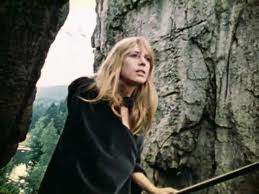

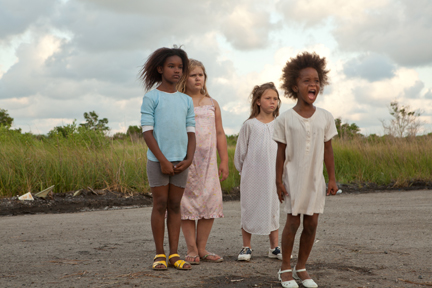
i don’t really want to be your dog. Not really. At least, not all the time. In fact, i wanna, i wanna, i wanna, i gotta, i rather like being adored; but, i don’t have to sell my soul, either. Somehow, even with the middle name and all the rest, the darkness is just there. i’m not even really sure what that means, but i know that some people like the dialectic created by people, places, and things that can’t help going into the light. A very short list of what i mean might include Marianne Faithfull, Zora Neale Hurston, Han Solo, Kenneth Anger, Keith Moon, the idea of “drugs,” Francis Bacon, Gregg Araki, the Black Panthers, Sylvia Plath, Leonard Michaels, baths, Prince, roses, cats, the Rolling Stones, Proust, Andy, New York, San Francisco, Miami, Truman Capote, shades, sailing, Tanizaki, the Argentos, nails, fat variegated blackberries, walking, snakeskin, Scarlet O’Hara, Johnny Rotten, coffee, trains, Morrissey, Quadrophenia, New Orleans, Joan Didion, Scott Walker, thrift, the Nuns, orchids, oh, and don’t forget…”yes.” Not the band, but the affirmative: it gets me into so much trouble. The trouble isn’t where i live, but i really, really like to go there. And then come back. If you don’t come back, it isn’t material anymore–it’s you. Of course, the fantasy of trouble being over there and good behavior on this side, of light vs dark, of the verdict of black or white, is impossible. What seems like destitution to one person might be pure treasure for someone else. There is a point where believing your trash is gold ceases to be a performance, but getting there can be a very lonely hike. i saw Beasts of the Southern Wild on Friday night, and it makes this point ungently. Hushpuppy says, “I want to be cohesive,” and i can’t pretend like my face isn’t soaking wet for another second. Eventually, if you want it badly enough, you have to stay.
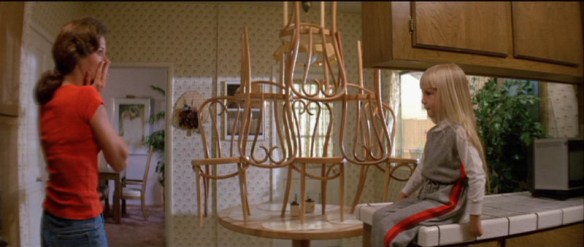
Diane: You were saying about poltergeist.
Dr. Lesh: Poltergeists are usually associated with an individual. Hauntings seem to be connected with an area. A house usually.
Marty: Poltergeist disturbances are fairly short duration. Perhaps a couple of months. Hauntings can go on for years.
Diane: Are you telling me that all of this could just suddenly end at any time?
Dr. Lesh: Yes, it could. Unless it’s a haunting. But hauntings don’t usually revolve around living people.
Diane: Then we don’t have much time, Dr. Lesh, because my daughter is alive somewhere inside this house.

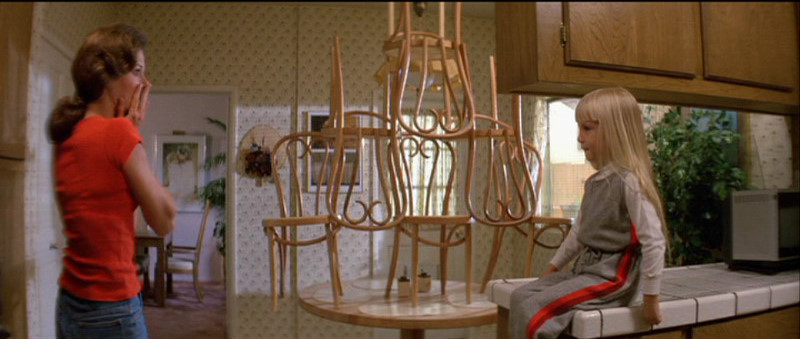
Not going into the light is, of course, a reference to the 1982 horror film, Poltergeist. The movie always stood out to me because–after having “slept” on my Mom’s lap through countless trashy movies at the drive-in (surely they knew i was watching)–it was one of the very, very few movies my brothers and i were not allowed to see. My parents had seen it, and my Mom said the little girl, Carol Anne, reminded her too much of me. In the film, poor little Carol Anne is stuck in the spirit world. Some bastard real estate developers built her neighborhood on top of a Native American burial ground. They assured buyers that they moved the graves before beginning construction, but in fact they only moved the tombstones. The spirits are angry, and they snag Carol Anne because her life force is so powerful. She’s hanging out with all of them in purgatory, and the light—their chance to move to a different spiritual plane—appears. Tangina, the medium helping the family get their little girl back, has the mother, who can still communicate with Carol Anne, tell her not to go into the light. If she does, she won’t be able to return. For the lost souls, it is indeed a “positive” portal to another plane, but Carol Anne is still alive, so she needs to stay back. Ah, horror. I love it because it loves metaphor so, so much.
If i were soundtracking Poltergeist, Laurie Anderson’s “O Superman,” would be it for dialogue during the trailer: “O Superman. O judge. O Mom and Dad. Mom and Dad.” Maybe i’d commission a mash-up and her “ha-ha-ha-ha-” heartbeat rhythm would bounce underneath “you adore me.” Back and forth, the Stone Roses, “I don’t need…to sell my soul,”/Anderson, “This is the hand, the hand that takes…here come the planes.” Where are your arms, Mom? (adore me.) Your long arms? (Weren’t you supposed to tell me not to go into the light?) Your automatic arms? Your electronic arms? So, hold me? Mom?
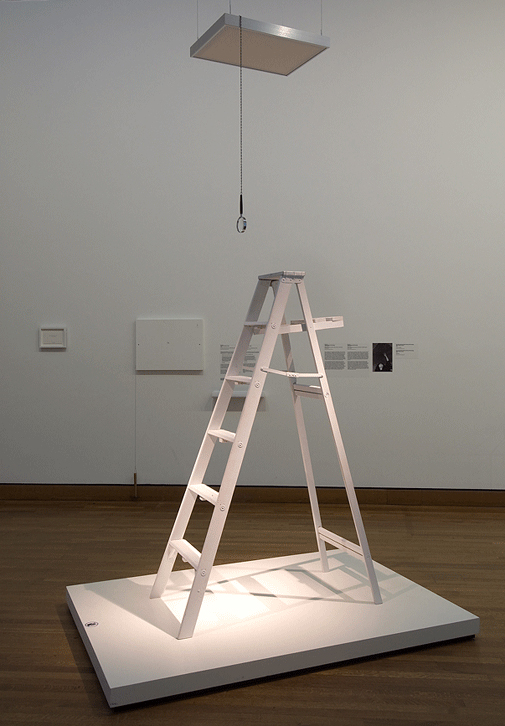
O Superman

Hi. I’m not home right now. But if you want to leave a
message, just start talking at the sound of the tone.
Hello? This is your Mother. Are you there? Are you
coming home?
Hello? Is anybody home? Well, you don’t know me,
but I know you.
And I’ve got a message to give to you…

So you better get ready. Ready to go. You can come
as you are, but pay as you go. Pay as you go.
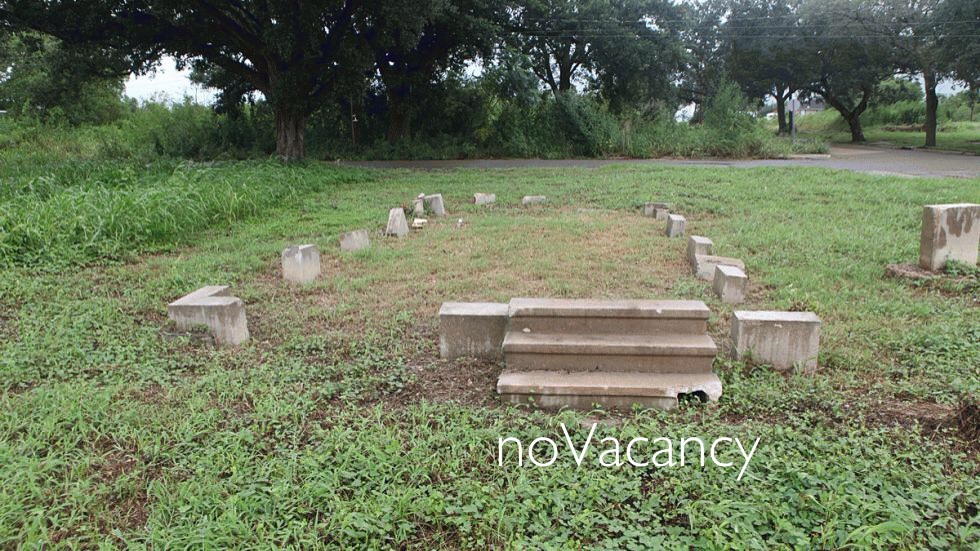
His clothes are dirty, but his hands are clean: spoiler alert.


Each of the headlines for these blog entries is a song name or lyric. There are a few exceptions; but, generally there is a clue tucked into how i ice each post. For this one, i thought i wanted to use a line from “Girl From the North Country,” from Nashville Skyline (1969). i thought the song contained the line, “See for me that her hair’s still red.” It doesn’t. The stanza i misremembered is sung by Johnny Cash, and it goes,

See for me that her hair’s hanging down,
If it curls and falls all down her breast.
See for me that her hair’s hanging down,
That’s the way I remember her best.

i thought i might go, instead, with a line from “You’re Gonna Make Me Lonesome When You Go,” from Blood on the Tracks (1975): “Purple clover, Queen Anne’s Lace,” which is followed by, “Crimson hair across your face.” i got stuck in a Wiki-K-hole, and i found this:

“Sometimes… I go to the artist and say, ‘What do you hear on the drums?’ Because sometimes when people write songs they can hear it completed, they hear everything they think’s gonna be on it”, says drummer Ken Buttrey. “I went over to Dylan and said, ‘I’m having a little trouble thinking of something to play. Do you have any ideas on [‘Lay Lady Lay’]?’… He said, ‘Bongos’… I immediately disregarded that, I couldn’t hear bongos in this thing at all… So I walked into the control room and said, ‘Bob [Johnston], what do you hear as regards [to] drums on this thing?’… [He] said, ‘Cowbells.’… Kris Kristofferson was working at Columbia Studios at the time as a janitor and he had just emptied my ashtray at the drums and I said, ‘Kris, do me a favor, here, hold these two things… hold these bongos in one hand and the cowbells in the other,’ and I swung this mike over to the cowbells and the bongos… I had no pattern or anything worked out. I just told Kris, ‘This is one of those spite deals. I’m gonna show ’em how bad their ideas’re gonna sound.’… We started playing the tune and I was just doodling around on these bongos and the cowbells and it was kinda working out pretty cool… Come chorus time I’d go to the set of drums. Next time you hear that [cut], listen how far off-mike the drums sound. There were no mikes on the drums, it was just leakage… But it worked out pretty good… To this day it’s one of the best drum patterns I ever came up with.”

So “Lay Lady Lay” (Nashville Skyline) won out. Because, even though i feel conflicted admitting it, i think it’s one of the sexiest songs ever recorded, and because this post was supposed to be about complicated sex, and because it marks a second in time where Kris Kristofferson was a janitor (goddamn!), and because of the horse trot ‘spite deal’ cowbells, and because ‘i long to see you in the morning light, i long to reach for you in the night’. Yes, because of all of that, because really great songs are accidental and collaborative, it wins.

As for the sex, i’d meant to begin here: i went to see the new Pixar movie, Brave, yesterday. i guess i’ve been in a media hole for a while, too, because i actually hadn’t even heard of it and had no idea what it was supposed to be “about.” Let’s just say it was right up my alley: Merida, a little fire-haired Scottish future queen, would rather ride her fluffy horse (Angus) through the woods and practice archery than listen to her extremely persistent mother’s lifelong instructions on how to become a proper princess. She breaks protocol, bigtime, at her betrothal ceremony. She scores a sketchy spell from a witch that does something horrible to her mother–the result of which is that they both learn very difficult lessons like how to love and understand each other and when it is appropriate to swallow one’s pride. It is a fast-paced tear-jerker. Tabling, for a moment, the completely fucked up absence of people of color in Pixar worlds of self-reflexive, inspirational rebellion and the many complications of this statement: i think that for people who imagine that representation shapes reality, it is nonetheless a welcome insertion into the lexicon of dolls and rides and party decorations available for the babies.

There is a very complicated moment when, having shown up her assy suitors in an archery contest–she decides to shoot for her own hand, and wins by a landslide–her mother says, you embarrassed them. For me, this is one of the film’s most poignant moments: swallowing your pride isn’t always about being subservient and eating shit. Sometimes it’s just a nice gesture not to rip someone apart–especially when it’s dead easy.

i came home and googled general responses to the movie. On the first page, i see an article in EW asking, “Could the heroine of Pixar’s Brave be gay?” More specifically: “But it’s quite possible that while watching Brave’s tomboyish heroine shoot arrows, fight like one of the boys, and squirm when her mother puts her in girly clothes, a thought might pop into the head of some viewers: Is Merida gay?” Now, if the three potential bridegroom options presented to her hadn’t been so revolting (a boy who looks like a gigantic toddler who can break big pieces of wood with his bare hands, a Braveheart-esque tantrumy dorkwad, and a squat, mumbling little spaz), this possibility would be even more interesting, but i do like the way that the lameness of the princes further deconstructs the “reality” behind conventional fairy tale narratives. What i like, even more, is that without ever once bringing it up, the extreme gender variance of the character suggests that this actually is a movie about sex–the way in which the sex that you have (your own complex interaction with gender norms and expectations) determines the sex that you have, and i think it’s fascinating that this EW writer imagines a world in which such an unconventional gender performance reads as gay.

Oh, how my dark star will rise.

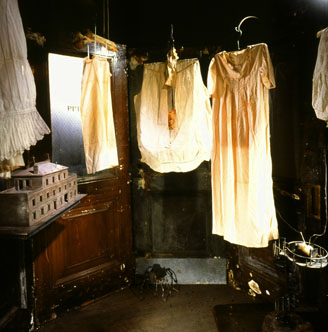
Louise Bourgeois, Cell VII, 1998

Shortly after returning from Japan, i took a job answering the phones at a hair salon booking appointments, making confirmation calls, and pushing product–basically working for the discount and the free services. My boyfriend pulled a similar shift at a thrift store around the corner. i would go over and sit with him sometimes when i got off, or wade through the aisles, modeling ridiculous clothes i never intended to buy. i have kept a handmade mauve, twill, A-line skirt i bought one day on his employee discount. It became a staple of my wardrobe, and some recognition of him honestly flashes up every time i’ve ever touched it. When i was pregnant and imagined my body to be permanently transformed, i sold most of my vintage clothes. The twill skirt was in a drop-off bag for Beacon’s Closet. At the last second, i snagged it out. Yes, i was starting a new life, but i wasn’t willing to let go of every symbol of my densely layered history.  The skirt and its ability to conjure the early days of long, skinny Todd sitting quietly behind the counter (probably wearing a pair of brown polyester trousers and a short-sleeved button-down shirt; let’s imagine Dog Man Star is soft in the background) was not ready for consignment. It was material: the physical part that stands in for and triggers a whole pack of memories, but also a symbol of the possibility of a story. 

The line is: “I’m just doing this for the material.”  It’s an excuse for having to do, or even preferring to do, the thing that hurts. Poets, scriptwriters, actors, rock and rollers–do they need the material for the work, or do they do this work because the process of translation makes the material more liveable? i have a pile of journals that stretch to the ceiling full of what my therapist calls data that i always planned on Rapunzelling into stories, but if i don’t ever get around to it, what do all of those, err…lessons, become? What’s the difference between a memory and material? One reaches for representation, the other becomes a decent story over staff meal, at best? Likewise, what does it matter if i’ve got 500 books stacked in my office and i’ve read everything by Judith Butler, and most of Foucault and Jameson and Barthes if i never write my dissertation? Once again, it’s the burden of representation–i haven’t done the work until i can connect my turn on the argument to a larger conversation, even if writing a dissertation that maybe five people will read is, in many ways, a huge leap of faith.

i’ve been reading High On Arrival, Mackenzie Phillips’s memoir. It is a fretful thing. i pause and i’ve read a hundred pages, but i have to put it away for days before i can pick it back up. Nonetheless, these memories of her father — (John Phillips of the Mamas and the Papas) never showing up, insistently not hiding anything from her (“Not now, honey. Daddy’s shooting up”), forgetting her again and again at the airport or in an apartment while he’s off scoring drugs with Keith Richards — also connect to a life of collateral damage and prestige. Trying to be like Daddy, she falls into a near lifetime of drug addiction and ultimately into years of a drug-fueled sexual relationship with her Dad. Her attempt to give form to a childhood that was at once insanely glamorous and an object lesson in abuse and abandonment is, perhaps, a semi-successful example of someone using her material. i’m not at all interested in whether it achieves catharsis or redemption, but in her narrative stretch to represent complex desires that chip away at the canon of normativity. Somehow, impossibly, even after having experienced a terror of a life, she is also able to convey the strange beauty of growing up, in many ways, off the grid. There are many anecdotes of fantastic decadence and uninhibited pleasure, but this is also the narrative–not of a successful iconoclast–but of a child made to work with this model who didn’t choose it, coming out on the other side of Stockholm syndrome. It is a story about passionate attachment–attachments chosen over death and complete isolation, and the reality that the way these options present themselves can create complex, almost unreadable lives: “It was like being reared by a beast. A gorilla. A narcissist, a Svengali, a megalomaniac. A charming, endearing rogue” (190). Her oscillations between attachment and identification to her father and the tangled history she supplies are bundled into this account of shitty, hard witnessing. Somehow, she used her material, and made something out this repetitive relationship to abandonment.

Even if your cards were thrown in tarot rather than the royal court, a path to the straight and narrow might still present itself–this is the hard part. Sometimes the road is clearly marked and stacked deep in rewards, but for some of us it’s like trying to ride your bike on the highway–terrifying, impossible, awkward, wrong. All of the traffic signs are unreadable, and you keep getting lost. Whether you can’t or don’t want to is an impossible distinction, but it can be comforting to realize that you won’t. Your roots might push you up and through the path, instead of down it, but there is a kind of flowering in that stasis that the drivers will always miss.