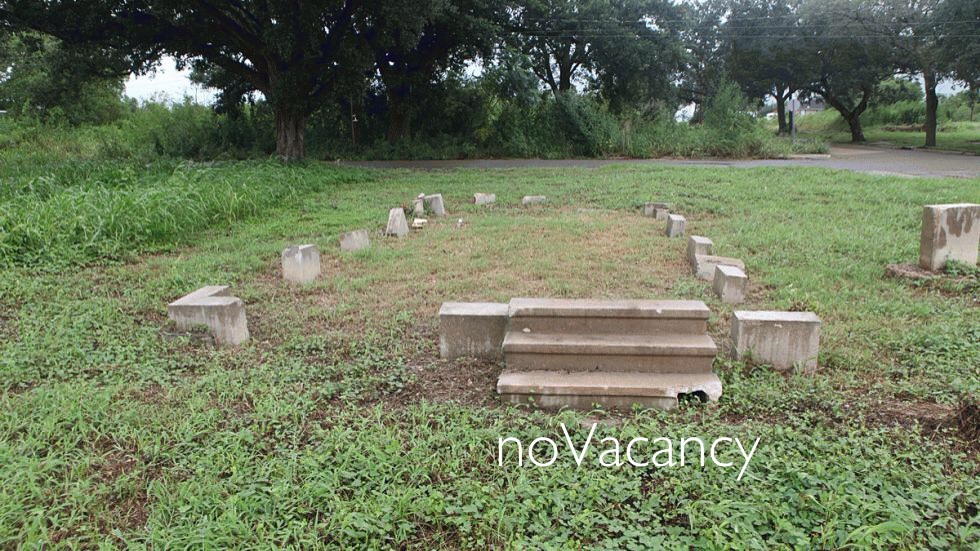

“It took dominion everywhere.” — Wallace Stevens
One recent morning, the car was fragrant with the green tomatoes I’d cut the night before. The weather was about to turn too cold for them, and the long vines released a smell I would bottle and wear if I could. A smell from childhood, one that taught me the difference between the garden and the supermarket. And a few Sundays ago, I woke up alone in an antique bed under a patchwork quilt on the second floor of a farmhouse upstate . The room was blue black and the square inside the window was only a slightly lighter shade of blue. Disoriented from the cheap red wine from the night before, I stared at it until I could make out where the frame ended and the window began. Black tree outlines started to come into focus. I flipped the lamp on and the trees disappeared but the wet fog inside the windows showed itself. I thought to take a picture of how beautiful the light and the glass had become, to show it to someone later, but then I realized it just wouldn’t translate. So often I have that feeling when I’m on flower jobs, especially when we’re out of town. I want to document all the stages of what goes into a wedding, or even a single arrangement, because those steps are where my experience takes place–the thousand tiny decisions, endless positioning and repositioning, and flowers that make you stop and share them with whoever else is around. Fat, buttery garden roses, perfect leaves, strange double or oversized blooms pausing between the bucket and the arrangement. Oftentimes the in-between looks prettier to me. How do I show you that?
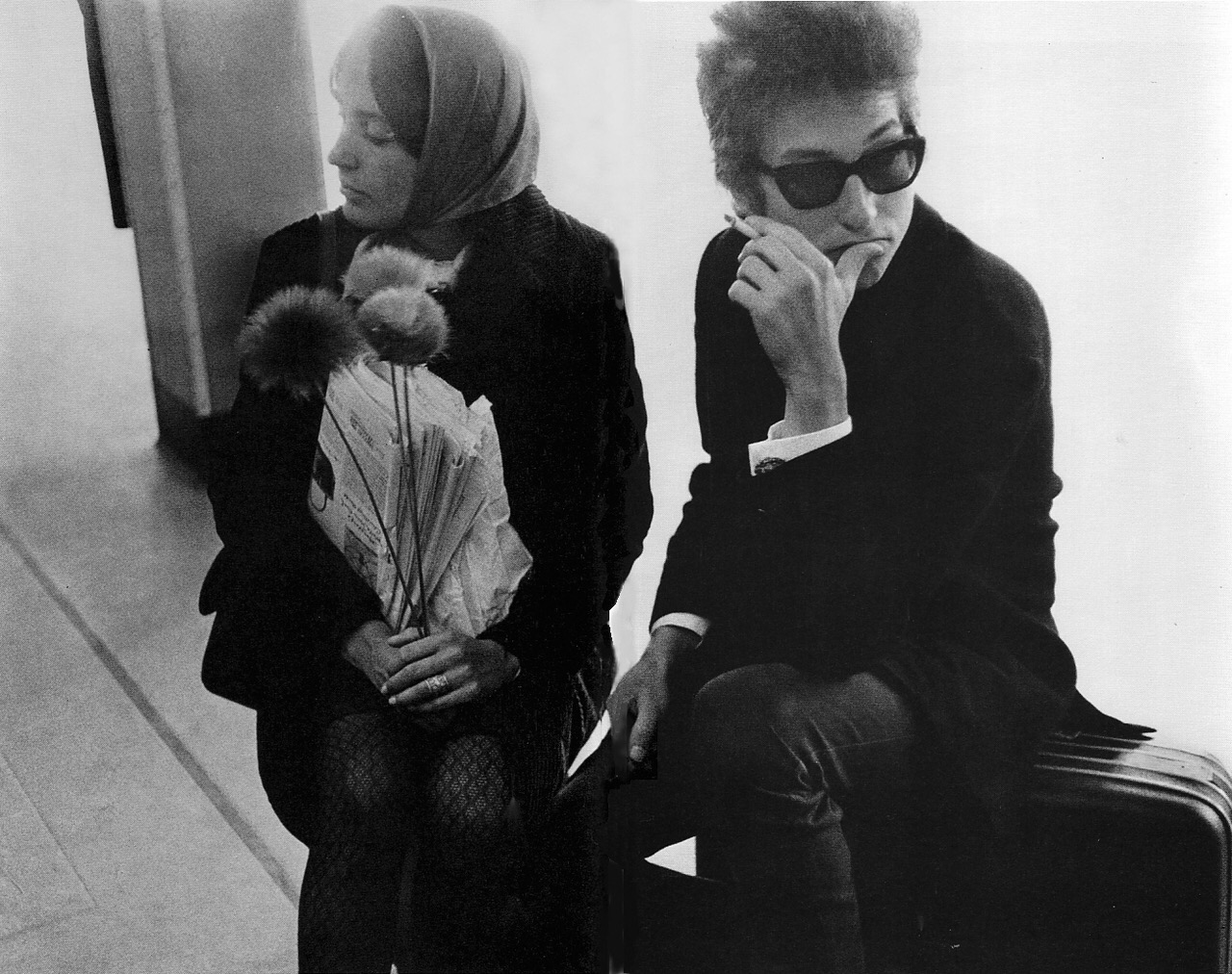
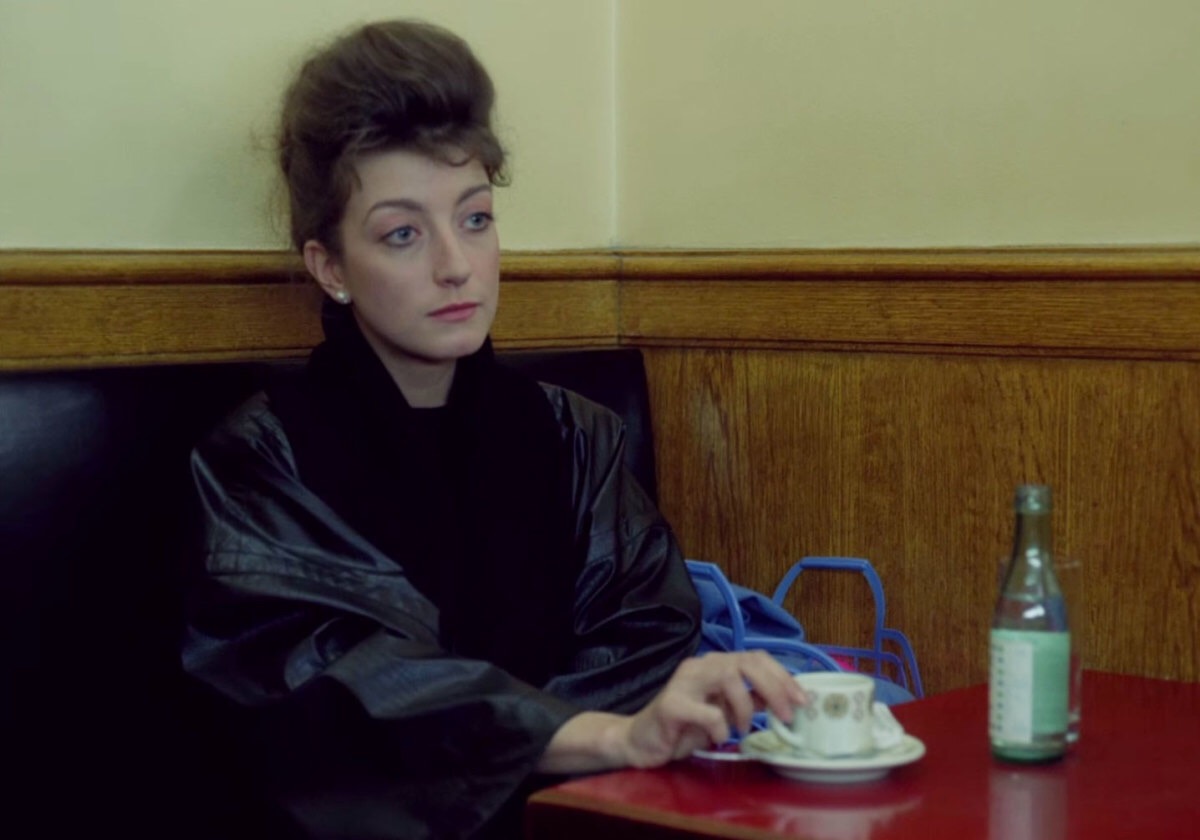
In the final scene of Olivier Assayas’s new film, Private Shopper, the main character, played by Kristen Stewart, seems to make contact with the spirit of her dead brother. She’s been hoping for this the whole film. They were twins and, when he was alive, both mediums. I’m not interested in explaining this further or discussing whether or not the premise is absurd. She thinks it is her brother, then wonders if it is another spirit. “Are you playing with me?” she asks. “Lewis, is it you?” she asks. “Or is it just me?” end of film. I don’t mean to reduce the specific content of the film to metaphor, but my wet eyes were not provoked by my own attempts to tamper in the afterlife of others. Not exactly. They were a reaction to the silent ways we communicate amidst spatial and temporal divides. The leap of understanding that any linguistic volley provokes. The way we have to go with what we know over and against what someone may or may not say to us and the possibility that, when we do this, we might be prioritizing ghosts over humans. 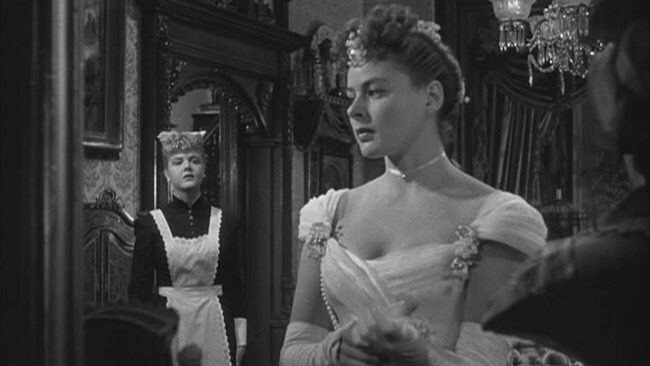 I was feeling puny about a dream I’d had the night before. Actually, I’d had a dream that unfolded into flashbacks of other dreams I’d had with similar content, and they all made me sad in the same way. An avalanche of subconscious fictions I’d been trying all day to shake. Stories taking liberties with those precious geographies to which I simply can’t return. In Japanese the verb is “see” a dream.” In English we say I “had” a dream, like a child or an orgasm. “Had” implies ownership, but “see” suggests the nonlinear, difficult to narrate during consciousness, ephemeral repacking of experience and memory that happens while we sleep.
 I was almost finished reading Roadside Picnic when I watched the first episode of Westworld, otherwise I probably would have missed how a conversation between the show’s Dr. Frankenstein and his chef de cuisine about evolution is uncomfortably close to a passage in which two characters with comparable power relations in Roadside Picnic use almost the same terms to discuss alien visitation and human ‘progress’: “And then, if anything in the universe changes, we will happily become extinct–again, precisely because we’ve lost the art of making mistakes, that is, trying various things not prescribed by a rigid code” (130 RP). I suppose the way the hosts must seamlessly play their parts in an endless narrative loop is meant as a contrast to the sloppy inconsistency of humans. They are told what to like, unlike actual humans who run on the messy fuel of instinct. Subjectivity seems to be cast against agency, and Butlerian “performativity” seems at first to be purely the domain of androids. If a performative speech act calls into being what it names, then how are we to read the disruptions made by the hosts’ gliches? Is the show a meditation on the contradictions of erotic desire as the most human of the most animal instincts, or is that just what I’m thinking as I’m watching, trying to force a reading that doesn’t play out?
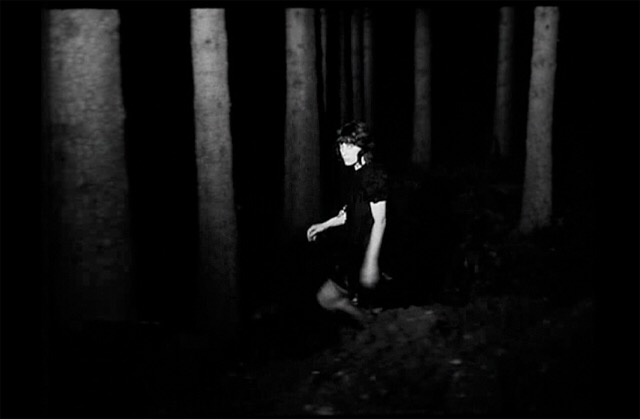 In the Q&A after Personal Shopper, someone in the audience asked a question about genre and Hitchcock. When Assayas answered, each time he said “genre” I imagined he was saying “jar.” I played with the idea that genre was a jar of the Wallace Stevens variety, taking dominion everywhere like performativity, calling into being what it names. His disinterest in genre both defused and exacerbated my fantasy.
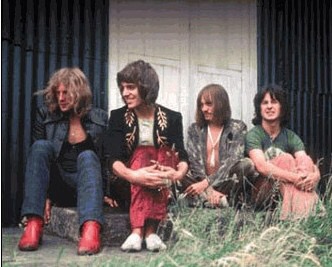 I keep coming back to something I heard on the radio a little while ago. One of the djs on WFMU mentioned that he’d interviewed one of the Impressions (as in Curtis Mayfield and), and he said that Curtis Mayfield learned to play his guitar by tuning it to the black keys on a piano. I don’t have the critical faculties to understand how interesting or innovative or disruptive this adjustment may have been for his songwriting. I don’t know if it just sounds cool or if everyone used to do it or if it’s a white boy fantasy about “colored time.” And I understand that the way one tunes one’s guitar doesn’t effect time or timing. Not exactly. But the brilliant accident of it pushes through regardless of what the technical answers are. A structure remains intact, but this mistake, this trace of translation, opens the door of subjectivity a teeny tiny bit wider.
 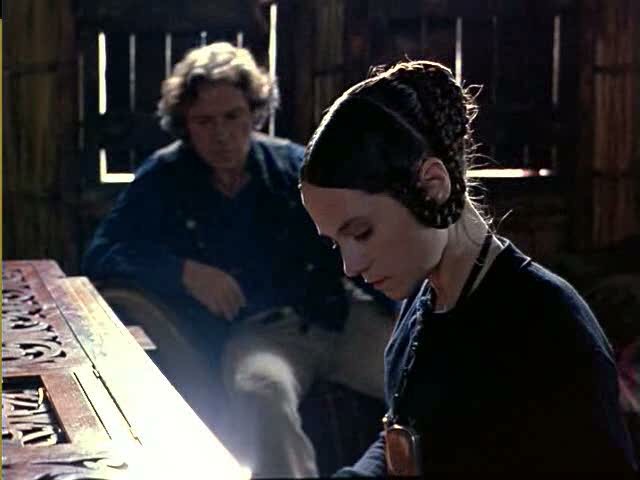 Do you remember the deal Ada makes with Baines in order to get her piano back? He tells her that each time she comes to supposedly give him a lesson, if she will actually just play and let him watch and do what he likes, she’ll earn one key back each session. “Only the black ones,” is her counter offer. I read about how the koto is tuned to a pentatonic scale and how these actually vary within Japan according to region. I wandered into a Q&A with Trinh T Minh-Ha last night and, speaking about how, in Senegal, 3 or 4 dialects might be used in the same village she said, when you speak the dominant language there is only one.
 noVacancy