
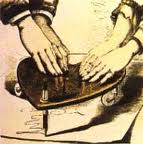
There is a great backhanded compliment in Joy Williams’s (February 10, 2013) review of Karen Russell’s new book, Vampires in the Lemon Grove. (Incidentally, the title of Williams’s review is “The New Uncanny.”) This is the sentence: “The awful inconsequentiality of the real enfolds them and the unerringly knowing and mischievous planchette that unequivocally belongs to this writer, their creator, refuses to be employed.” Williams is making sense of what she reads as the duds in the new collection. As opposed to some of Russell’s earlier work, remarkably “…sure of itself in the frolic of its strangeness,” the circumstances in some of these stories fail to summon the ghostly cadre Russell is, at her best moments, capable of channeling. And yet, at a time when countless blockbusters of adolescence artlessly lean on monster metaphors as an excuse for writing about young adult desire, Russell tucks her vampires into an Italian lemon grove, making the revenant new again. Likewise, she re-animates that other (everybody wants to) go-to of difference: feudal Japan, with adolescent girls made silkworms–Rashomon-era specters whose shapes shift more esoteric than metaphoric. Williams writes, “Fiction is by definition unreal, and Russell takes this coldly awesome truth and enjoys fully the rebel freedom it confers. The more uncanny the situation, the more sensibly it is described.”

i picked up another book this week that summons the B/black arts: Ian Svenonius’s Super-Natural Strategies for making a Rock ‘n’ Roll Group. Svenonius, of Nation of Ulysses, the Make-Up, and most recently, Chain in the Gang, here follows psychedelia back into the occult, claiming to have only been able to demystify the sleight of hand required to make a truly epic rock group by conducting seances with deceased rock ‘n’ roll heroes: “They [living rockstars] don’t want us at their party. We were therefore compelled to seek the advice of the dead–rock ‘n’ roll stars no longer contaminated by the stultifying climate of competitive capitalism” (18).
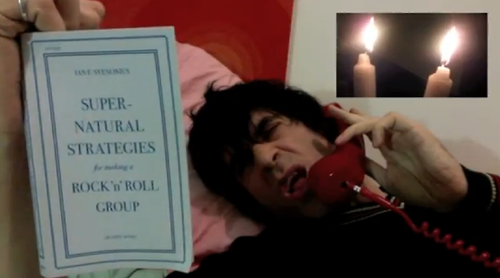
Under the guise of testimonies from the other side, Svenonious employs a series of diverse characters to deliver a fantastic piece of cultural criticism and rock ‘n’ roll history. Part Dick Hebdige (the part that doesn’t strip punk of its radical possibility), part Kenneth Anger, part Guy Debord–this is a satisfying manifesto. Brian Jones, Richard Berry, Mary Wells, Paul McCartney, Buddy Holly, Jimi Hendrix, Jim Morrison, and Willie Mae “Big Mama” Thornton, the original recorder of “Hound Dog” (1952) who pipes in to reassure readers: “In a country alienated from national feeling such as the USA, where individualist, capitalist ideology strongly dissuades identification with the group and instead encourages sociopathic selfishness and greed, subcultural bonding is a radical act. Without rock ‘n’ roll, it is virtually impossible”–deliver a stunning history of the radical possibilities of rock ‘n’ roll. Svenonius’s potent style of roots rock unleashed disenfranchised voices of rock upon the largely white and male subculture of 90s punks, turning countless kids into unwitting Situationists and inhabitors of the makeshift detournement rock ‘n’ roll at its best can’t help becoming. i always described the Make-Up as Marxist Gospel music, but this leaves out how unironically hot they were.
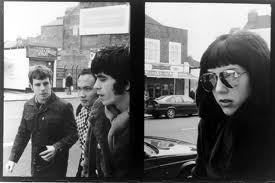
For some people, rock ‘n’ roll is a stage. For others, the hard work they did when they chose permanent membership in a subculture might have left them without a map, but something about those shows left them marked–irreparably. Maybe they started bands, found other queers, decided to become academics, dropped out of school, became psychics, dancers, mechanics, waiters, writers, teachers, or acupuncturists. “Some are mathematicians, some are carpenters’ wives,” right? Maybe all of the above, maybe something else, but, if you know what i’m talking about, these books are for you.


 noVacancy