Dignity is valuable; but, our lives are valuable too.

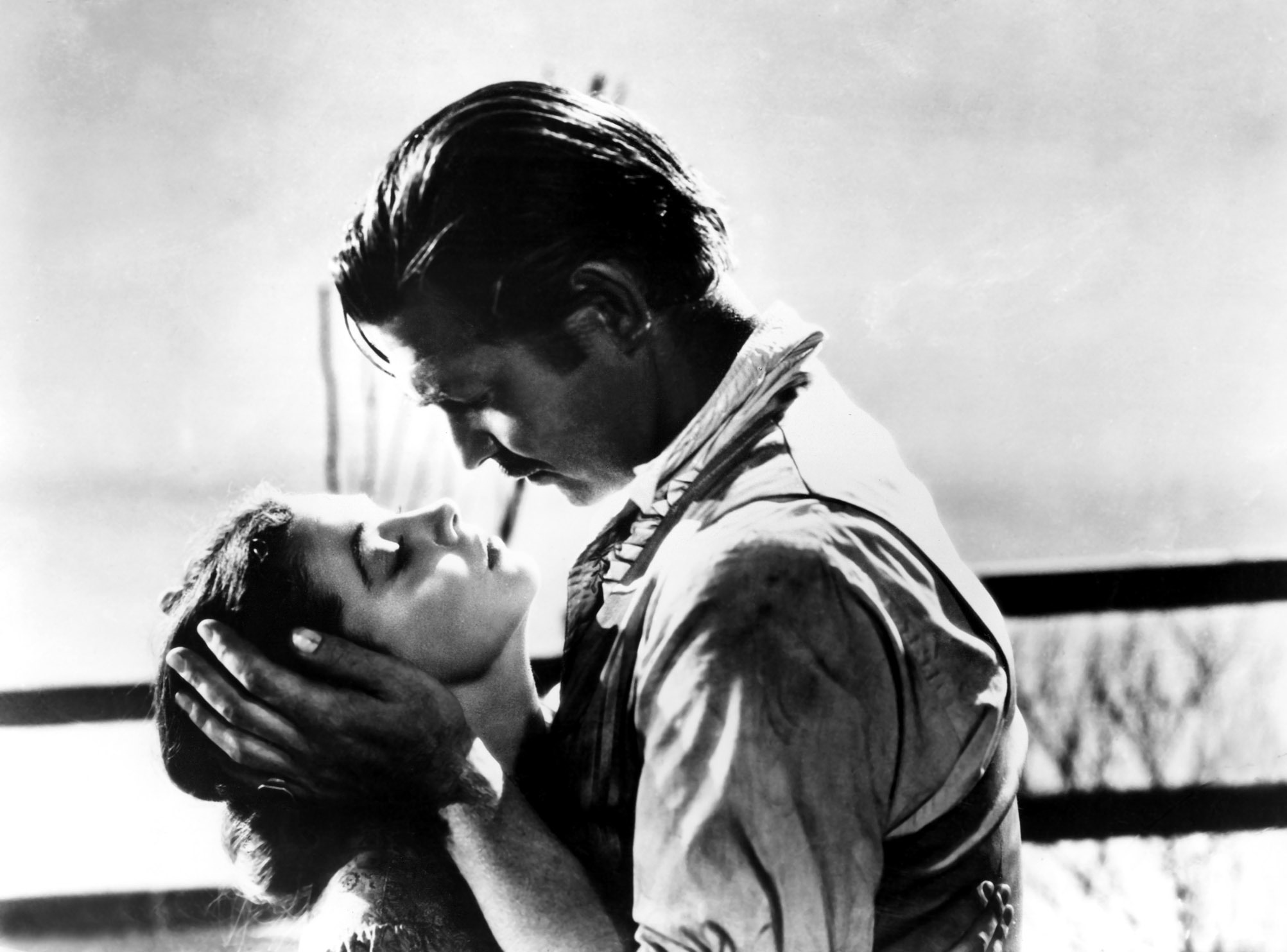
Mothers, don’t let your daughters grow up watching Gone With the Wind unless you’re prepared to offer some very complicated voice over narratives about–and this is just a start–slavery, dialectics, unrealistic expectations, entitlement, anorexia, staying, S/M, withholding, leaving, prostitution, and the South. As someone who is curious about the formative power of cultural texts, i am interested in the books and films i was drawn to as a young person. If i was ever going to write one of those ‘everything i ever needed to know i learned from’ treatises, Gone With the Wind would be my source. To be sure, i was also given some of these lessons in a much more potent form by my surrounders, but this film seems to have gotten all of the best of the worst just about right. My conversations with Mom about it went something like this:

Me: Does Ashley love Scarlett, too?
Mom: “i don’t know.”
Me: Then why does he kiss her?
Mom: “Because he’s spineless.”
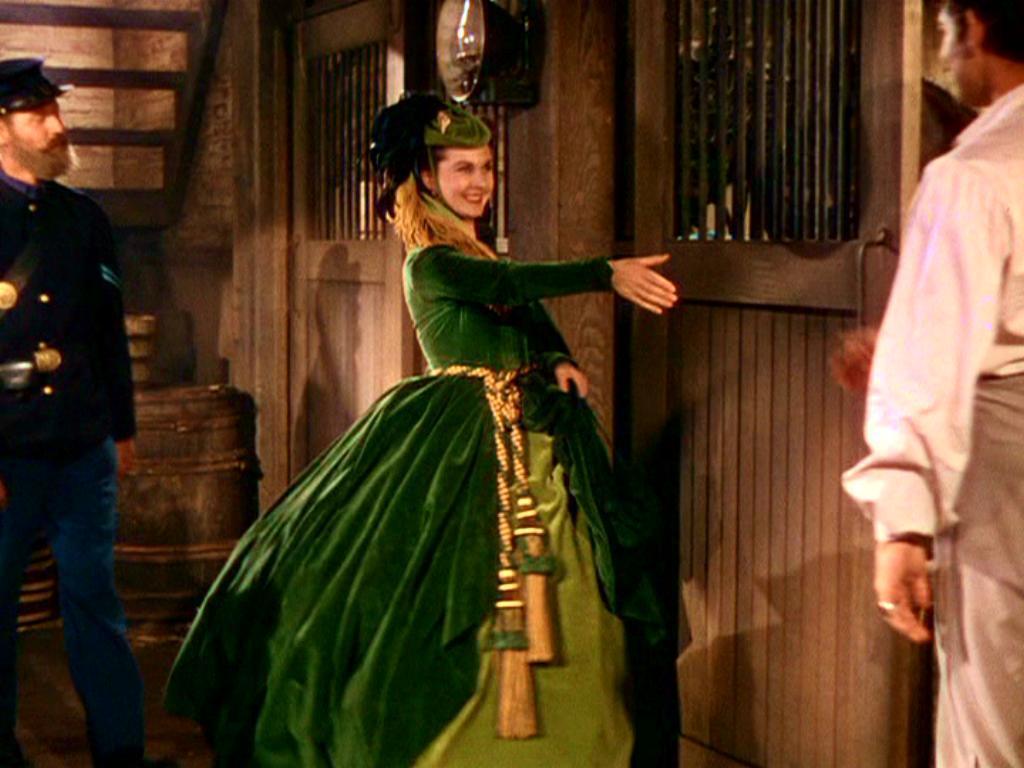
Mom doesn’t mince words, and she’s usually right, and yes, Ashley is a total weenie, but something like, “Because sometimes we’re attracted to people we don’t really like,” would have been helpful. Or even, “Why is Scarlett so attached to Ashley? He’s self-absorbed and he’s never really there for her and his mother/whore complex is out of control. Is it possible that she really loves Rhett, who is actually crazy about her?” Even better, “What do you think about the fact that Mammy is a slave in the first half of the movie, but after the war she is supposedly free?” And, very importantly: “You understand that even though Scarlett has the best dresses she’s not exactly, like, a role model, right?” Because, no–i was not yet versed in the manipulative devices granted to the antihero. Scarlett’s refrain, “I can’t think about that right now. If I do, I’ll go crazy. I’ll think about that tomorrow,” got me through more than one shit day when i was a kid. After all of the other jerks ran off to war, Scarlett was the one who got the fields planted and made sure everyone had something to eat. Scarlett shot the yankee when he tried to steal her mother’s jewels. Scarlett came up with the idea to fashion the iconic green dress with the chartreuse underskirt and the drapery cord belt out of her mother’s velvet curtains so that she could trick Rhett into thinking she wasn’t totally desperate: “I’m going to Atlanta for that three hundred dollars, and I’ve got to go looking like a queen.” Mammy has to make it, of course, but we’re supposed to gloss that detail.
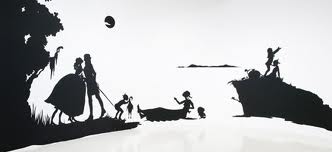
Nonetheless, i hardly grew up under civil war. When i first began writing this blog, someone very close to me read it and responded, rather angrily, that i seemed to think that readers with more ramshackle childhoods than his own might be able to engage the blog better than he could. i wasn’t surprised by his response; i know that i have a habit of romanticizing the things that hurt because…because why? Because it makes me feel like i’m in control? Because it changes the narrative? Because i like to feel bad? No, no one actually enjoys feeling bad, right? Right? Right, but it’s not everyone who actually wants to feel, either. And sometimes, quite often actually, extreme discomfort feels really good (read: familiar) to me; but, surely there has to be another way to go about experiencing this? My body, my narcolepsy usually gets the upper hand in this conflict. Stress levels go up, i start really pushing myself, my body says uh-uh and gives me some kind of internal rufie. When i’m at work and this happens, i will often go and sink my hands into large buckets of ice that are meant to be chilling wine. Slowly, i come to, because i hate being cold.

He does the military two-step down the nape of my neck.

“With freedom, books, flowers, and the moon, who could not be happy?” –Oscar Wilde

i read the Times piece on Malala Yousafzai yesterday and couldn’t get through the first paragraph without doing some gross crying. Stop. Check email. Keep reading. Stop again. Screw around on Facebook. Email some photos to myself. The more vapid the distraction the better, i think, but it isn’t helping. Try to keep reading. Finish the article. Look for more. Get through about half of the documentary on the Times website and get up and sweep the floor. Wash the dishes. Make Joni’s lunch for tomorrow. Decide against eating his crusts. Refresh the Times story, again, to make sure there were no updates. She still seems to be on the mend, but the article’s original title, “Teenage School Activist Survives Attack” is now “Taliban Gun Down Girl Who Spoke Up for Rights.”

In general, i dislike manipulative admonishments like, “Children are starving in Africa,” or, “It’s not Vietnam,”–a wordsmith ex of mine was fond of throwing the second deflective jolt at me when i was pouting on his behalf. The problem with this strategy is that, no matter how many times i clear my plate, children are still starving in Africa. In fact, the mindless clearing of plates could actually be exacerbating the situation. Similarly, for someone in my subject position, “it” is never, ever, Vietnam. i was never baptized, and i guess that is relevant. Pseudo-morality scaffolding was simply not a tool in my own parents’ arsenal. i was raised to understand horror as neither transferable, inspirational, nor vacantly rhetorical. Oblique, gentle, long term compassion can’t be taught through pithy guilt trips.

Today is the first international ‘Day of the Girl,’ and while i support this global attempt to draw attention to the continuation of practices around the world that violently circumscribe the possibility of “freedom” and equality for girls and women, i would also like, in the spirit of this blog, to remind you that ‘plain prose cheats’. The very real preponderance of violence against girls and women is dependent upon foundational fantasies of female “nature” and of the obviousness of gender. i am good at making something out of nothing; i have a lower success rate with making something out of something, but the argument of performativity is that the transformation of narratives of the “real” is both possible and necessary.

i’m glad that you’re older than me.

i’ve been working functions at the Hotel lately–mostly weddings. As someone who is deeply ambivalent about marriage, i am constantly shaken by the apparent confidence and experience with which wealthy, attractive people plan and execute these events. Most of the couples seem to have been together for a respectable amount of time, and their families are fairly relaxed. Many of them perform their ceremonies at the Hotel, which are generally quick and devoid of sentiment. Surprisingly, the toasts are what choke up the staff. Maids of Honor who can get up and tell stories about what the bride was like in Kindergarten. Brides who are still gloating about having beat the groom in a 7th Grade Social Studies Brain Bowl. Confident people familiar with each other who grew up in a culture of sticking around. In the middle of the first catering, watching from behind a curtain with another waiter, i looked at him wide-eyed and demanded, as if we were at the movies: “People are really like this?” Check, please.

A good toast is organized around a funny but poignant anecdote that both proves the speaker’s long history with one of the newlyweds and makes an argument a., that this member of the couple is an exceptional human being; and/or b., it describes why these two were ‘meant to be’. Last night, a couple hosted a rehearsal dinner in the private dining room–a cozy space downstairs with walls of original brick and relics on the ceiling from its factory days. (Authenticity provides an extremely marketable blessing for these events.) This couple, for example, had known each other since middle school. One of the bridesmaids spoke about how the bride has been an anchor for their circle of friends since college, and that she thought the relationship the bride had with her mother had made her capable of such enduring relationships. “Oh boy,” i quietly cursed. My eyes began to water and i swallowed hard.

A week earlier, i had unexpectedly found myself on a 6:00 am flight to Charlotte for my grandmother’s funeral wearing, as fate would have it, my wedding dress. i mean, it is functional and black and i wanted to look nice. If anyone even noticed, i didn’t hear about it. No one who was at the funeral had been at the wedding, anyhow. i met my brother in the airport and my Mom at the funeral home. My grandma–“Nana”–was one of 6 sisters, and she was the last to pass away. She grew up in Miami, but lived in North Carolina for most of my life. Her life was epic, but quietly so. A legend in my mother’s memory, i had memorized a dozen scandalous stories about her by the time i was ten. Her name was Billie, which seemed bizarre to me as a child and very cool when i grew up. The strongest, most pervasive details were from her years as a missionary to Japan–a stint that included my five year old mother and her younger sister. My grandfather, who flew planes in Europe in WW2, became a test pilot when he came home. A few years later, he went down in a wooden model off the coast of San Diego and my grandmother went to Japan.

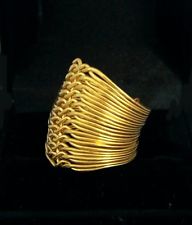
They had been married in Jacksonville, and spent their honeymoon at the Flagler Hotel in St. Augustine. The hotel is now a private college. Sitting in the backseat of one of my brothers’ cars, i passed it countless times on the way to the beach when i was a kid. i liked imagining this glamorous past that the college and my family shared. i liked thinking about my grandmother, who wore fancy rings and had a gigantic closet full of stylish clothes and shoes and who took me to church when i came to visit. Her father grew up on a plantation in south Georgia and never learned how to tie his own shoes. i spent some summers with her when i was younger, and we would eat watermelon outside on the swing and giggle as we spit the seeds onto the red clay peeking through her permanently balding grass. She had window boxes filled with real flowers. She taught me how to cross-stitch, and play the piano, and took me to the mall in Charlotte to go ice skating–the only times in my life i ever did it until once, a few years ago on a chilly day in Harlem–amazed at how it came right back. Her second husband was in the Air Force, and they lived in Turkey for a few years. She came back with a wicker elephant for me that i liked to pile all of my toys into and then take them back out, one by one. In passing, she left me a Turkish wedding ring–also called a puzzle ring. i used to love to watch her take it off and shake it apart in her hand and then slip it back together. Evidently, these rings have quite a history: “Puzzle rings, also known as Turkish wedding bands, are said to have originated in Turkey. A nobleman wanted to know if his wife was being faithful, so he gave her a ring that would fall apart if she removed it. Since she didn’t know the instructions to put it back together, he would be able to catch her infidelity.”

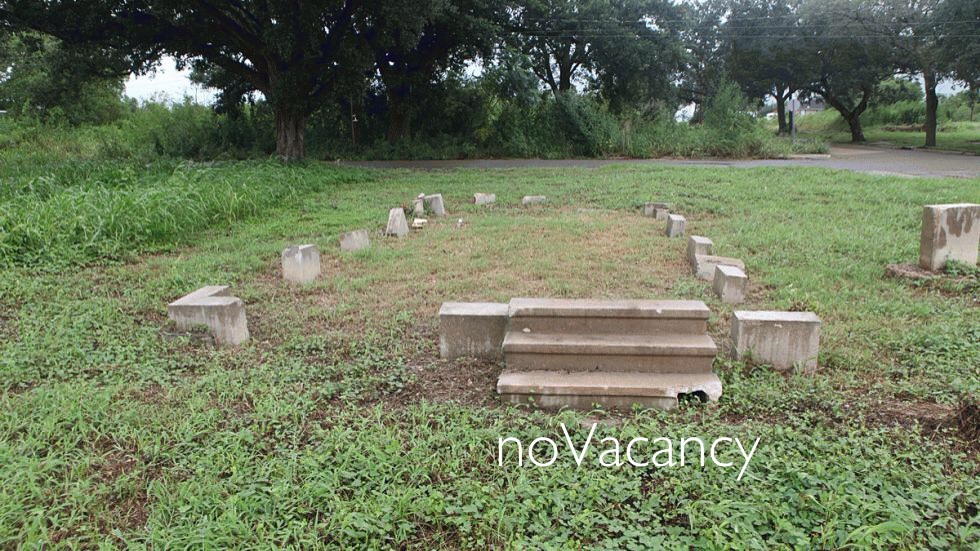
Riding in my aunt’s minivan to the funeral home, my uncle told us about some of the funereal drama. My step-grandfather’s daughter evidently referred to Nana as a “cougar”–she was 15 years older than him. She had also scoffed at Nana’s excessive closet, wondering where ‘she had ever worn any of this stuff’. My Mom and my aunt were livid about the location of the grave. A low-end graveyard that probably gave a Veteran’s discount with no shade. Standing by her coffin, marveling at the smooth wet slice of clay peeking out below the coffin like red velvet ice cream cake, i was sad, very hugely and softly sad–not for her death but for her abandonment. For having barely seen her over the last decade. For the long days i know she spent at her desk filling yet another journal. For the fact that she ever had to leave the Japan she loved. For that grave i know i will never be able to find again. Never visit and never tend. The gold on my finger, marrying me once again–this time to her legacy and marking the easy bond we always had–is what i will do instead. My own authentic reminder, the next time i begin to well-up at the din of forks tapping wine glasses, of the ways i’m trying to alchemize all of this desertion.