 “We would have known nothing of the nature and reach of her sorrow if she had come back” (Housekeeping 198).
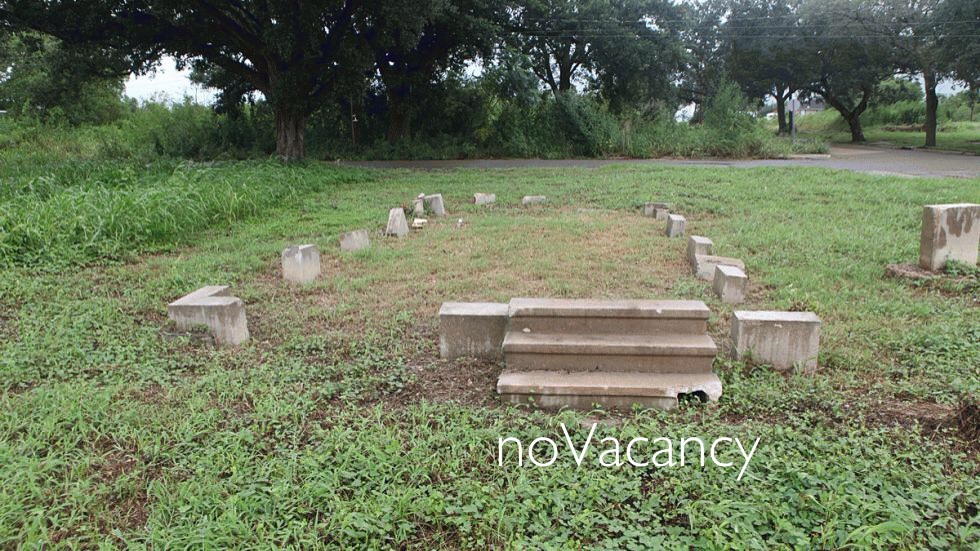
In typical Cardozo fashion, my Dad never finished the barn he began building for the tiny farm my parents fumbled with as part of the general toil of my early childhood. Along with the rest of the future rednecks taking part in the late Seventies/early Eighties white flight exodus from Miami to pastoral exile, by the time i was three my relatively cosmopolitan parents had gone country. They began building the barn before my Mom left, which would make her claim, many years later, after she had relocated to the Russian River Valley in Northern California, that she wanted to make a photo book of all of the gorgeous, dilapidated farms in that area that much more bittersweet. Of course, she never bought a camera.
Along with the chicken coop covered in Japanese honeysuckle, the hand-painted mailbox marking our spot on a dirt road, the brick house, the creek, the gardenia and azalea bushes, the subscription to Mother Earth News, a huge tractor, a pig, a magnificent garden complete with pea trellises and sunflowers, my Dad’s light blue Chevy pickup truck, and my Mom’s cherry red Fiat Spider, we had the beginnings of a barn. My Dad had never built anything like this, but he could’ve pulled it off. Papa, my grandpa who had been a brick layer in Miami for his whole working life, would come over to help, and i remember the two of them drinking beer and planting huge wooden poles that would become the foundational pillars for the barn.
It had a tin roof, perhaps for my Mother, who ‘loved the sound of rain tapping against a tin roof’. After she had left, wanting to know something about what exactly it was that she did love, at the first sign of rain i would fly through the back yard, out to the ‘back two and a half’ (acres), and up the staircase to the second floor of the barn. There were no walls yet, nor would there ever be anything of the sort. i’d stretch out on the rough wooden planks of the floor, close my eyes, start listening hard to the rain, and wait. i wanted to hear what she heard, but the kamikaze splatters unnerved me. i didn’t find it soothing, or beautiful. i figured i wasn’t trying hard enough.
In the earlier days, there was a pig named Ms. Piggy, piglets, two adult Golden Retrievers (Harmony and Moonshine), several litters of puppies, 2 cats (Shanti and Tigger), a rabbit (Bunny), hamsters (Bernard and Bianca), a cockatiel (Professor), and three cows (Petunia, Judge, and Joker). Unlike another little girl with whose story i was very familiar, i would not be able to save our pig from the slaughter (or the cows). In fact, i would come home from school one day to find Petunia strung up in one of the huge pines in the back yard, skinned beyond recognition, her brain in the kitchen sink. i was given multiple talks about economy and nature and about this just being what people have to do.
At some point, while watching a particularly harrowing movie, my Dad told me, “It’s a Hollywood movie. There’s no way they’re going to kill the hero.” i loved the tidiness of this information, and took it to heart. The rub was finding out that real life did not play by this rule. Ms. Piggy wound up in the skillet and Petunia flavored countless batches of chili. My Mom left. The house fell apart. Grass grew over the tractor’s wheels. The barn remained our own private A-bomb Dome–a skeletal reminder of what’d happened before we were broken. And i rehearsed that it was all character-building and eccentric and fine, but lately i’m not entirely convinced.
 noVacancy